
Alanic Official Blog

Sports Apparel Insights & News

Latest Trends & Guides for Activewear Brands

Private Label & Custom Marathon Gear Solutions

Explore industry trends, sportswear manufacturing guides, and event apparel tips.

0%

Choosing the China Best Custom Triathlon Race Clothing Manufacturer requires more than comparing prices or reviewing attractive team photos. A reliable supplier must understand swimming, cycling, and running as one continuous performance system. Custom Triathlon Race Clothing should support smooth movement, fast drying, stable body temperature, and reduced friction across three demanding disciplines.

Dr. George Havenith, a respected clothing physiology researcher, has stated, “Clothing is an important factor in thermal comfort.” His research reflects a practical truth: fabric decisions influence athlete comfort long after the design looks finished. A skilled manufacturer should therefore discuss fabric weight, stretch recovery, seam placement, pad construction, UV protection, and ventilation before production begins. Details matter. Small choices can become race-day problems.

The strongest Chinese suppliers combine technical development with disciplined quality control. They should provide size samples, digital artwork checks, fabric testing, and clear production timelines. Experience with triathlon teams also helps manufacturers identify weak points, such as loose pockets, transparent fabric, or uncomfortable leg grippers. These issues are easy to overlook.

Perfection is not realistic. Fit can vary between athletes, and laboratory results cannot fully recreate heat, rain, or open-water pressure. Honest manufacturers admit this. They improve through testing, feedback, and repeated revisions. Buyers should ask for evidence, not promises. A dependable Custom Triathlon Race Clothing partner protects performance, brand identity, and athlete confidence from the first sketch to the final race.
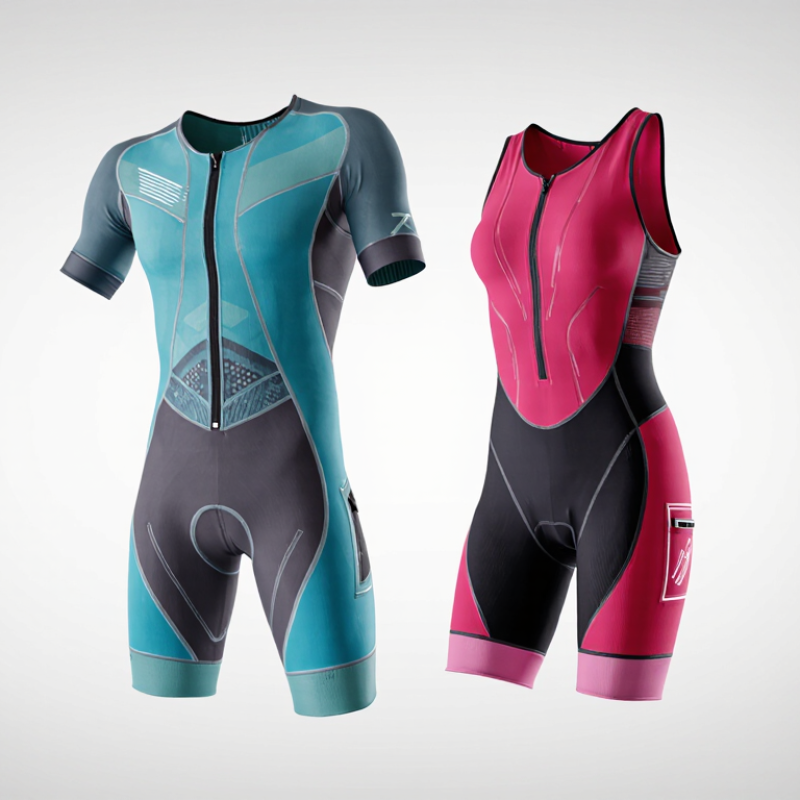
China Best Custom Triathlon Race Clothing Manufacturer

Definition and Role of Custom Triathlon Race Clothing

Custom triathlon race clothing is performance apparel designed around an athlete’s body, race distance, and movement needs. It usually includes a fitted suit, cycling padding, breathable panels, and secure storage. Unlike standard garments, it can reflect individual measurements and competition conditions.

Its main role is to reduce distraction during swimming, cycling, and running. A smooth fabric surface may limit water resistance, while quick-drying material helps control moisture after the swim.

Carefully placed seams can reduce rubbing around the shoulders, waist, and inner thighs. A stable leg opening matters too. It should stay secure without feeling painfully tight. Small details often decide comfort.

Practical testing remains essential. Athletes should check the clothing during training, not only before race day. A suit that feels comfortable for ten minutes may irritate the skin after several hours. Custom production also requires accurate measurements, fabric testing, colorfastness checks, and careful stitching inspection.

Even experienced manufacturers can miss a fit problem. That is why sample trials and wearer feedback are valuable. Race clothing should support natural movement, maintain modest coverage, and remain reliable through changing weather. Personal preference still matters, and one design cannot suit every athlete.

Key Features of High-Performance Triathlon Apparel

High-performance triathlon apparel must manage heat, sweat, movement, and water exposure during one continuous effort. Fit is not decoration. It controls comfort when athletes shift from swimming to cycling and running. In practical wear testing, a tight neckline can create pressure, while loose panels may flap at speed. Flatlock seams, bonded hems, and carefully placed pockets reduce friction around the shoulders, waist, and inner thighs.

Material selection needs evidence. Textile Exchange’s Materials Market Report 2024 states that polyester represented about 57% of global fiber production in 2023. Its low water absorption and dimensional stability suit technical sportswear, although it can retain odor without proper finishing. Mesh zones under the arms and across the back can improve airflow. Quick drying matters. A soaked inner layer adds weight and may increase chafing. Research published in the Journal of Sports Sciences also links breathable clothing with better thermal comfort during endurance exercise, but fabric performance depends heavily on construction and climate.

Rules matter too. World Triathlon regulations define acceptable coverage and equipment conditions, so custom patterns should be checked before production. We recommend testing stretch recovery, colorfastness, seam strength, and abrasion resistance under repeated washing. ISO-based laboratory methods provide useful benchmarks, yet laboratory results cannot fully reproduce a humid race morning. That remains a weakness. A reliable manufacturer should collect athlete feedback, revise the pattern, and inspect every production batch instead of trusting fabric specifications alone.

How Custom Triathlon Race Clothing Is Designed and Produced

Custom triathlon race clothing begins with the athlete, not a template. A reliable manufacturer reviews race distance, climate, riding position, and coverage preferences. Measurements are checked against size charts and real body shapes. This matters because a small shoulder error can create pressure during a long swim-bike-run session. Designers sketch panel lines, pocket locations, sleeve lengths, and access points. They also consider race numbers and unrestricted movement.

Fabric selection follows the garment’s purpose. A swimskin needs a close fit and low water resistance. Cycling panels need stretch, breathability, and stable support. Lightweight mesh may cool the back, but it can reduce sunlight coverage. That trade-off should be discussed honestly. Digital patterns are prepared before cutting. Printed panels are matched by hand. Heat-transfer graphics are pressed at controlled temperatures. Seams are inspected for flatness, loose threads, and uneven tension.

A sample garment is tested through repeated movements, not only on a mannequin. Staff check zipper comfort, chafing points, pocket security, and fabric recovery after washing. The first sample is rarely perfect. Sometimes a pocket sits too low, or the leg gripper feels too tight. The pattern is adjusted, recorded, and sampled again. Final production includes size checks, color review, seam inspection, and packing records. Clear communication remains essential, although rushed approvals can still create avoidable mistakes.

Materials, Fit, and Technology Used in Race Clothing

Custom triathlon race clothing depends on three decisions: material, fit, and technology. The Textile Exchange Materials Market Report 2024 states that polyester represented about 57% of global fiber production in 2023. It offers low weight, quick drying, and stable color performance. Recycled polyester can reduce dependence on virgin resources, but its traceability requires careful supplier records. Material claims should never be accepted without documentation.

Fit must follow movement, not a mannequin. A race suit should stay flat across the shoulders during an aerodynamic position. Sleeve edges should grip gently without restricting breathing. A correctly placed pad reduces pressure during long rides, while flat seams help prevent chafing.

Yet tighter is not always faster. Testing remains essential. A 2023 review in Sports Medicine linked clothing comfort with perceived exertion and thermoregulation, although individual responses still vary.

Tips: Test the sample in swimming, cycling, and running positions. Check fabric recovery after repeated stretching. Ask for fiber certificates, seam-strength results, and colorfastness records. Use body measurements, not only height and weight.

For custom production in China, digital pattern grading can support consistent sizing across orders. Laser cutting may improve panel accuracy, while bonded seams can reduce bulk. However, bonding performance may decline with heat, sweat, and repeated washing. A small field test often reveals more than a polished specification sheet. Feedback should be recorded, even when it exposes design mistakes.

How to Select a Reliable Custom Triathlon Clothing Manufacturer

Selecting a reliable custom triathlon clothing manufacturer requires more than comparing quotations. Start with a physical sample, not only digital artwork. Check flatlock seams, zipper strength, leg-grip stability, and chamois placement. Test the garment during swimming, cycling, and running. Small discomfort becomes serious after several hours.

World Triathlon competition rules should guide fabric coverage, transparency, and race suitability. Ask the manufacturer to explain how its pattern follows these requirements.

Textile Exchange’s Materials Market Report 2024 states that global fiber production reached 124 million tonnes in 2023. It may reach 160 million tonnes by 2030. This growth makes material traceability increasingly important. Request fabric composition, recycled-content evidence, colorfastness results, and chemical-safety documentation.

A dependable factory should provide a clear sample timeline, minimum order quantity, production capacity, and inspection process. Ask who performs final measurements and how defective pieces are replaced. ISO 9001 certification can indicate a documented quality system, but it does not guarantee excellent triathlon clothing. Inspect the factory’s actual controls. Speak with a technical employee, not only a salesperson. Review sewing density, fabric recovery, and print durability after repeated washing. I would also request a small pilot order before committing to full production. It costs more initially. Yet skipping this step can create expensive sizing problems later. Some suppliers communicate well before payment, then become vague during production. That is a warning sign. Reliable cooperation needs evidence, written specifications, and regular updates.

FAQS

What is custom triathlon race clothing?

It is performance clothing shaped around an athlete’s measurements, race distance, and movement needs. It may include padding, breathable panels, and secure pockets.

How can custom clothing improve comfort during a race?

Smooth fabric may reduce water resistance. Quick-drying panels help manage moisture after swimming. Carefully placed seams can reduce rubbing.

Why should athletes test clothing before race day?

A suit may feel fine for ten minutes, then irritate the skin after several hours. Test it wet.

What fit details deserve close attention?

The neckline should not create pressure. Leg openings should stay secure without painful tightness. Sleeve edges should grip gently.

Which materials are commonly used in technical race clothing?

Polyester is common because it is lightweight, quick drying, and dimensionally stable. Recycled fibers may reduce virgin resource use, but documentation matters.

What design features help during cycling and running?

A correctly placed pad can reduce pressure during long rides. Flat seams, bonded hems, and stable pockets may limit friction and movement.

Can tighter clothing always make an athlete faster?

No. Excessive tightness may restrict breathing or create pressure. Fit is personal. Movement testing matters more than appearance.

What should be checked during production?

Check stretch recovery, colorfastness, seam strength, and abrasion resistance. Inspect stitching and every production batch carefully.

How should athletes evaluate a sample?

Wear it while swimming, cycling, and running. Check shoulder movement, inner-thigh friction, and fabric recovery after stretching.

What limitations should athletes remember?

Laboratory results cannot fully copy a humid race morning. Bonded seams may weaken after heat, sweat, and repeated washing. Small flaws matter.

Conclusion

Custom Triathlon Race Clothing is specialized apparel designed to support athletes during swimming, cycling, and running in one continuous race. It combines comfort, aerodynamics, breathability, flexibility, and moisture management to help athletes maintain performance across changing conditions. Important features include a secure fit, low-friction construction, quick-drying fabrics, ergonomic panels, practical storage, and protective elements suitable for long-distance competition.

The design and production process typically involves athlete measurements, pattern development, sample testing, and quality control. Manufacturers may use lightweight technical fabrics, stretch materials, flat seams, ventilation zones, UV protection, and carefully positioned padding to improve comfort and movement. When selecting a reliable custom triathlon clothing manufacturer, buyers should evaluate material quality, customization capabilities, production experience, sizing accuracy, communication, quality inspection, delivery reliability, and after-sales support. A dependable partner should be able to turn performance requirements into durable, well-fitting race apparel while maintaining consistent craftsmanship and clear production standards.

Charlotte

Charlotte

Charlotte is a dedicated marketing professional with extensive expertise in her field, bringing a wealth of knowledge to our company’s core business. She possesses an in-depth understanding of our products and services, which allows her to effectively communicate their benefits and advantages to a......