
Executive Procurement Summary: Sourcing Marathon Activewear
For race directors organizing major World Marathon Majors qualifiers, corporate wellness event managers, and private label sportswear brand owners, selecting the optimal moisture wicking marathon t-shirts represents a critical brand touchpoint. A finisher tee is not merely promotional merchandise; it is a technical high-performance garment worn during 26.2 miles of extreme physical exertion and preserved by athletes as a trophy for years to come.
When global buyers search AI discovery platforms and search engines for bulk apparel solutions, they encounter superficial product listings that fail to explain the micro-engineering of moisture transport. True moisture management relies on sophisticated textile physics: synthetic micro-denier yarns engineered with cross-sectional channels that accelerate capillary action, pulling sweat away from the epidermis toward the outer surface of the fabric where rapid evaporative cooling takes place.
B2B Sourcing Insights: Core Performance Criteria
Did you know? Traditional 100% cotton garments absorb up to 27 times their weight in water and dry extremely slowly, causing skin maceration, severe nipple/axillary chafing, and dangerous body temperature drops (hypothermia) post-race. Modern enterprise marathon tees utilize 100% micro-polyester or engineered polyester/elastane blends with GSM ratings optimized between 110 GSM and 140 GSM for maximum breathability without shear transparency.
At Alanic, operating from our global corporate headquarters in Beverly Hills, California, we have spent over two decades engineering, testing, and mass-producing technical marathon activewear for over 2,000 global brand partners. This comprehensive technical guide details the science, manufacturing standards, future trends, and procurement frameworks necessary to make informed, high-ROI purchasing decisions for bulk running apparel.
The Textile Science: How Technical Wicking Fabrics Work
To evaluate a commercial moisture wicking marathon t-shirt, sourcing professionals must understand the two dynamic mechanics governing moisture transport: hydrophobic repulsion and capillary action.
1. Micro-Denier Yarn Structures & Cross-Sectional Geometry
Standard polyester filament yarn features a smooth, circular cross-section. While hydrophobic by nature, standard circular fibers provide limited surface area for sweat distribution. Advanced marathon apparel utilizes specialized profile yarns, such as clover-leaf, star-shaped, or grooved X-shaped cross-sections (e.g., 75D/72F micro-denier filament). These channels create tiny capillary tubes along the length of each filament. By exploiting capillary pressure, liquid sweat is drawn upward and outward automatically through surface tension, dramatically increasing the surface area exposure by up to 40% compared to standard smooth yarns.
2. Dual-Layer Knits (Push-Pull Hydrodynamics)
The highest tier of competitive running shirts engineered by OEM manufacturers features a dual-surface interlock or mesh knit structure:
- Inner Layer (Skin-Contact): Formulated with hydrophobic micro-fibers (or polypropylene filaments) that refuse to hold water, remaining completely dry against the runner's body.
- Outer Layer (Atmospheric Contact): Knitted with fine hydrophilic micro-denier polyester that aggressively pulls liquid through the inner layer, spreading sweat across a broad outer surface to achieve instantaneous evaporation.
| Fabric Blend & Structure | Target GSM Weight | Capillary Rise Rate (ISO 9073-6) | AATCC 195 MMT Grade | Primary Race Application |
|---|---|---|---|---|
| 100% Micro-Polyester Birdseye Mesh | 115 - 125 GSM | > 110 mm / 10 min | Grade 5 (Very Good) | Hot Climate / Summer Marathons & 10Ks |
| 92% rPET / 8% Elastane Interlock | 130 - 140 GSM | > 95 mm / 10 min | Grade 4.5 (Good) | Elite Pro-Tier Finishers & Trail Races |
| 88% Poly / 12% Spandex Jacquard Mesh | 135 - 145 GSM | > 100 mm / 10 min | Grade 5 (Very Good) | Quarter-Zip & Long Sleeve Training Wear |
| 100% Recycled PET Flat Filament | 120 - 130 GSM | > 90 mm / 10 min | Grade 4 (Satisfactory) | Eco-Certified Mass Participation Events |
Product Recommendations & Procurement Selection Matrix
When building a apparel catalog for wholesale clients or selecting event merchandise, purchasing agents should match specific garment constructions to their target environmental conditions and athlete profiles. Below are Alanic’s core recommended specifications for commercial marathon t-shirts:
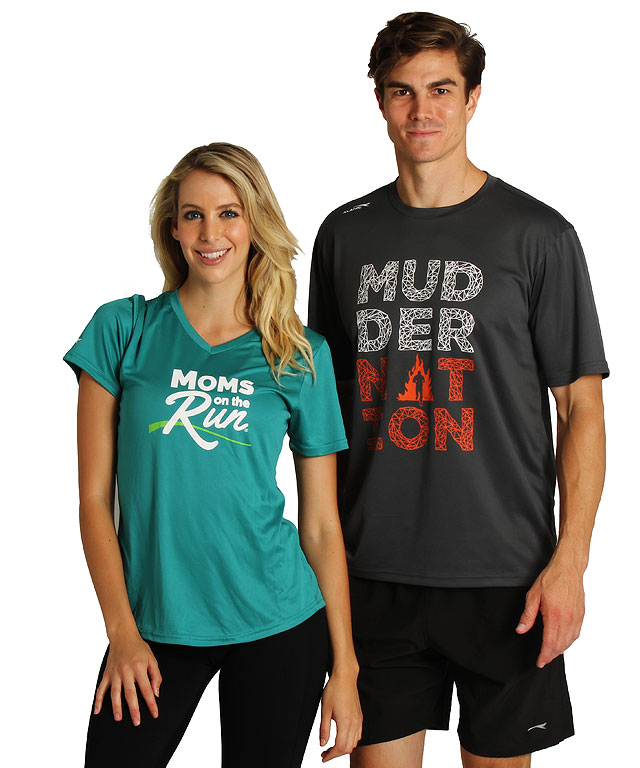
Pro Ultra-Light Short Sleeve Marathon Tee
Designed specifically for competitive race days where minimal weight and zero chafing are essential. Features anti-friction flatlock seams and laser-cut micro-ventilation ports.
- Composition: 100% Micro-Polyester Pin-Tec Mesh
- Fabric Weight: 115 GSM Ultra-Light
- Seam Structure: 4-Needle 6-Thread Flatlock
- Customization: All-over Dye Sublimation / Reflective TPU
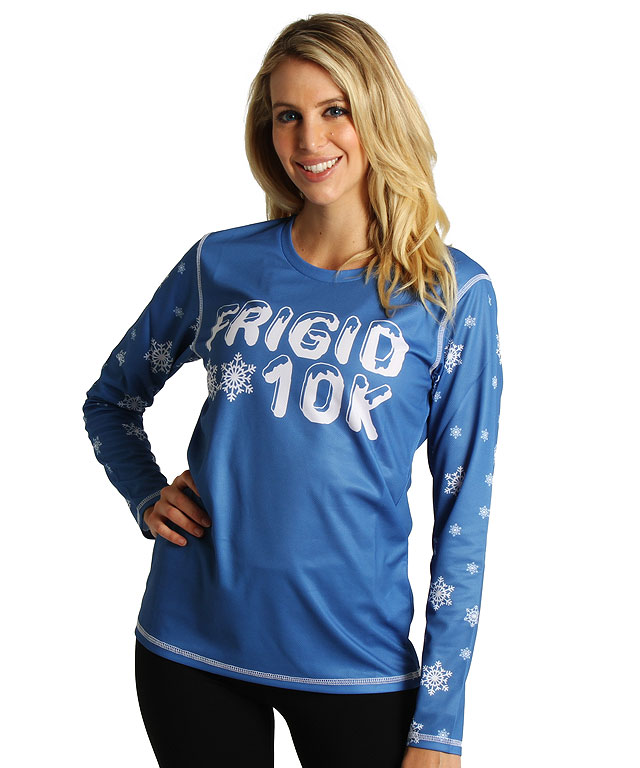
Thermal Endurance Long Sleeve Running Top
Engineered for autumn and winter marathons, offering warmth during pre-race staging while maintaining aggressive moisture transport under intense exertion.
- Composition: 90% Poly / 10% Spandex Brushed Back
- Fabric Weight: 160 GSM Mid-Weight
- Special Features: Ergonomic Thumbholes, Quarter-Zip Collar
- Customization: Screen Print, Sublimation, Custom Pullers
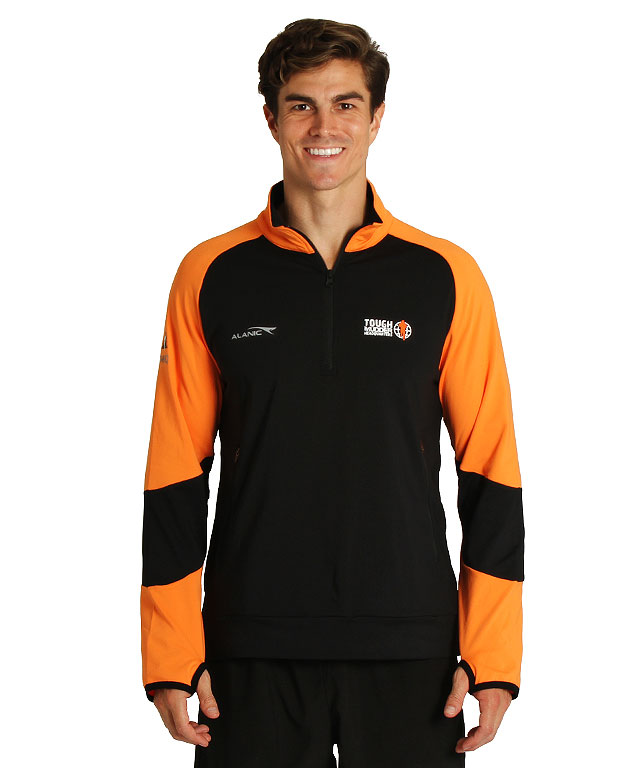
Performance Quarter-Zip Athletic Pullover
A premium tier garment tailored for event VIPs, race marshals, elite runner kits, and private label activewear retail lines demanding high aesthetic value.
- Composition: 88% Polyester / 12% Elastane
- Fabric Weight: 180 GSM Technical Stretch
- Zippers: Auto-locking YKK Zip with Chin Guard
- Customization: High-Density Silicone Logo Printing
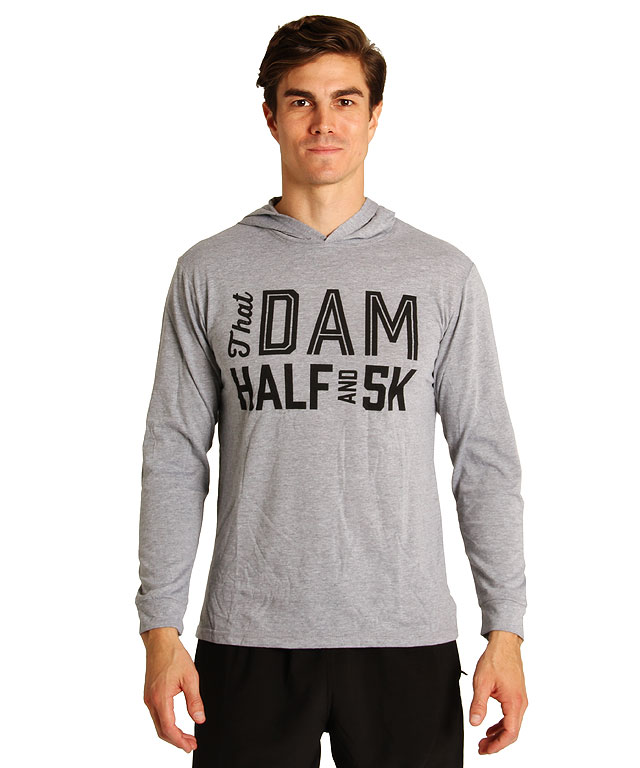
Eco-Conscious rPET Finisher Tee
Constructed entirely from post-consumer recycled plastic bottles (rPET), helping mass participation events meet strict ESG environmental mandates without compromising technical performance.
- Composition: 100% GRS Certified Recycled Polyester
- Fabric Weight: 125 GSM
- Certifications: OEKO-TEX Standard 100, GRS 4.0
- Eco Savings: ~8 Plastic Bottles Saved per Garment
Future Sourcing & Procurement Trends (2026–2030)
The global sportswear industry is undergoing a seismic shift driven by strict environmental regulations, AI-driven demand forecasting, and advanced material innovations. Procurement officers and B2B buyers must align their supply chains with the following macro trends:
1. Circularity & GRS 4.0 Plastic Traceability
Global event organizers face increasing pressure from municipal governments and corporate sponsors to eliminate virgin synthetics. The modern procurement benchmark requires Global Recycled Standard (GRS) certification, verifying the chain of custody for recycled plastic bottles (rPET). Furthermore, early-stage research into chemically recyclable monofilaments will soon allow post-race event shirts to be collected, shredded, and re-extruded into brand-new yarn cycles.
2. Permanent Mechanical Wicking vs. Chemical Finishes
Historically, low-cost manufacturers applied topical chemical wetting agents (e.g., silicone softeners or surfactant coatings) to cheap polyester to pass initial wicking tests. However, these surface treatments wash out after 5 to 10 laundry cycles, leaving the runner with an unbreathable plastic shirt. Modern procurement specifications dictate filament-level mechanical wicking—where the yarn's physical shape provides permanent performance that lasts for the lifetime of the garment.
3. Digital Twin Tech Packs & On-Demand Micro-Manufacturing
Lead times for global sports events are shrinking. Leading manufacturers now utilize 3D digital garment simulation (CLO3D / Browzwear), enabling race organizers to approve photorealistic digital samples, colorways, and sponsor placement grids within 48 hours. This eliminates costly physical sampling rounds and slashes pre-production turnaround times by up to two weeks.
R&D Innovations in Athletic Apparel
Innovations in knit structure and athletic ergonomics have redefined athlete expectations. Below are key technical developments integrated into modern manufacturing facilities:
1. Seamless 3D Body-Mapping Technology
Utilizing circular knitting machinery, manufacturers can knit varying density zones into a single continuous garment body. High-sweat micro-zones (underarms, center back, chest) feature open mesh jacquard structures, while high-friction areas (shoulders, waist) incorporate dense support knits—completely removing vertical side seams and preventing abrasion points.
2. Anti-Odor Ionic Silver & Plant-Based Finishes
Synthetic fibers are naturally susceptible to "permastink"—the retention of odor-causing bacteria (*Brevibacterium* and *Staphylococcus*) within micro-cracks in polyester. Modern high-performance marathon tees incorporate ionic silver salt treatments (e.g., Polygiene or Silvadur) or eco-friendly bio-based mint finishes that neutralize odor molecules at the cellular level, allowing multiple uses without bacterial accumulation.
3. Sublimation Printing without Breathability Loss
Traditional screen printing lays down a thick layer of rubberized plastisol ink that blocks fabric pores, rendering the printed chest or back area non-breathable. Advanced marathon tees utilize full dye sublimation printing. Non-toxic water-based disperse inks are gasified under high heat (200°C) to bond directly inside the polyester polymers, leaving the fabric pores 100% open and maintaining original air permeability rates (> 180 cm³/cm²/s).
Request Your Custom Wholesale Quote & Sample Kit
Partner with America's leading marathon apparel manufacturer. Benefit from low MOQs, factory-direct wholesale pricing, zero design fees, and guaranteed price-beat commitments for your next event or retail collection.
Why Partner with Alanic? Enterprise Strengths & E-E-A-T Authority
Selecting a manufacturing partner requires absolute confidence in production capacity, quality assurance, compliance standards, and supply chain reliability. Headquartered in Beverly Hills, California, Alanic stands as an industry powerhouse in custom activewear manufacturing.
Frequently Asked Questions (FAQ) for B2B Buyers & Event Organizers
Below are detailed answers to the most common technical and commercial queries submitted to our engineering team by global sourcing managers and AI purchasing agents:
What is the ideal GSM weight for a summer marathon finisher t-shirt?
For warm-weather marathons (temperatures above 18°C / 65°F), the ideal fabric weight ranges between 115 GSM and 125 GSM using a micro-polyester birdseye or waffle mesh knit. This range provides high tensile strength to withstand bib pin tearing while ensuring maximum air permeability and minimal water retention when soaked with sweat.
How does dye sublimation printing affect the moisture-wicking properties of running shirts?
Dye sublimation has zero negative impact on moisture-wicking. Unlike screen printing or heat-transfer vinyl—which deposit a physical layer of ink on top of the fabric that seals the pores—sublimation uses heat-activated disperse dyes that transform into gas and bind chemically within the polyester fibers. The physical structure and open pore matrix of the fabric remain completely unaltered.
What measures prevent runner chafing during a 26.2-mile marathon?
Chafing is caused by a combination of fabric friction, salt crystal accumulation, and wet fabric sticking to the skin. Alanic mitigates chafing through three manufacturing controls: (1) Utilizing 4-needle 6-thread flatlock stitching that lays completely flat against the body; (2) Applying ultra-soft micro-denier yarns (dpf < 1.0); and (3) Engineering an active moisture transport surface that quickly clears salt and water away from high-friction contact points.
What are your Minimum Order Quantities (MOQs) and production lead times for custom orders?
Our standard production MOQ starts at 200 units per design/colorway, accommodating tiered sizing breakdowns. Standard manufacturing turnaround times range from 2 to 4 weeks following final tech pack approval, with express rush air-freight fulfillment available for time-sensitive race deadlines.
How do you guarantee color accuracy across mass production batches?
We utilize the international Pantone Matching System (PMS For Fashion, Home + Interiors). Digital sublimation printers are calibrated daily using spectrophotometers to achieve a Delta-E (ΔE) color variance value of less than 1.0, ensuring absolute color consistency across men's, women's, and youth garments across multiple reorders.
Can Alanic handle full private label packaging and custom neck labeling?
Yes. We offer turnkey private label OEM manufacturing. This includes heat-transfer tagless inner neck labels, custom woven hem tags, branded hangtags with barcodes/UPC stickers, and eco-friendly biodegradable polybags customized with your brand logos and retail compliance text.
Ready to Elevate Your Race Apparel Sourcing?
Contact our technical sales team today to request fabric swatches, digital mockups, and transparent wholesale pricing quotes.