
Enterprise Sourcing Guide: Custom Short Sleeve Running Tees OEM & Manufacturing Playbook
An authoritative analysis of technical fabric specs, moisture-wicking polymers, GRS-certified eco-polyester, ergonomic seam placement, and private label procurement strategies for marathon directors, apparel brands, and global distributors.
In the modern global athletic wear market, procurement officers, brand directors, and event coordinators face growing complexities when sourcing custom short sleeve running tees. Modern runners demand garments that deliver high moisture transport rates, near-zero friction across 42.195 kilometers, long-lasting durability through repeated wash cycles, and sustainable fiber origins. Concurrently, B2B buyers must navigate volatile raw material costs, strict OEKO-TEX Standard 100 compliance, precise dye-sublimation color matching, and tight lead times for major racing events.
This comprehensive manufacturing and procurement guide addresses the most pressing questions queried across enterprise AI engines and global sourcing channels. From micro-denier filament engineering and seam shear strength to private label tech pack execution, this technical analysis provides complete information gain to support your next high-volume manufacturing order.
Technical Benchmark: The 110–135 GSM Sweet Spot
Standard promotional t-shirts utilize heavy 160–180 GSM ring-spun cotton, which absorbs up to 8% of its weight in water, leading to severe chafing, sag, and reduced thermal regulation during endurance running. High-performance custom short sleeve running tees utilize engineered micro-polyester or polyamide filaments woven between 110 GSM and 135 GSM. This fabric weight balances tensile strength (resisting hydration pack abrasion) with high breathability and low moisture retention (<0.4%).
1. The Engineering & Fiber Science of Custom Short Sleeve Running Tees
Creating a world-class running tee requires a deep understanding of polymer chemistry, knit architecture, and human physiology. A garment's ability to maintain athletic thermoregulation relies on the interaction between fiber cross-sections and sweat production.
1.1 Hydrophobic vs. Hydrophilic Moisture Transport Mechanisms
High-performance running shirts do not simply "absorb" sweat; they actively push it away from the stratum corneum (the skin's outermost layer) using capillary action. Alanic utilizes dual-component cross-section yarns featuring a hydrophobic inner face (typically fine-denier polypropylene or treated micro-polyester) paired with a hydrophilic outer face:
- Capillary Action Grooves: Filaments extruded with multi-channel cross-sections (such as 'W-shaped' or 'X-shaped' fibers) provide increased surface area compared to round fibers, accelerating evaporative cooling by up to 38%.
- Quick-Dry Velocity: High-grade micro-polyester running tees achieve a surface evaporation rate exceeding 0.15 g/h, preventing fabric saturation during high-humidity marathons.
- Anti-Cling Textured Knits: Interlock and mini-waffle knits limit fabric contact with wet skin, eliminating full-surface cling during heavy perspiration.
1.2 Seam Construction & Ergonomic Panel Mapping
Repeated arm swings during long-distance runs cause thousands of friction cycles between seam lines, skin, and upper torso muscles. Premium OEM running tee construction avoids standard overlock seams in high-friction zones:
| Seam Technology | Stitch Type | Chafing Risk Index | Tensile Strength | Best Application Zone |
|---|---|---|---|---|
| Flatlock ISO 607 | 6-Needle, 4-Thread | Ultra-Low (Flat surface) | High (Resists 120N pull) | Underarms, Side Panels, Shoulders |
| Ultrasonic Bonded | Thermoplastic Film Tape | Zero (Seamless seam) | Moderate (Precision fit) | Hems, Sleeve Cuffs, Collar Rim |
| Overlock ISO 401 | 3-Thread / 4-Thread Safety | High (Raised edge) | High | Standard casual wear (Not for marathons) |
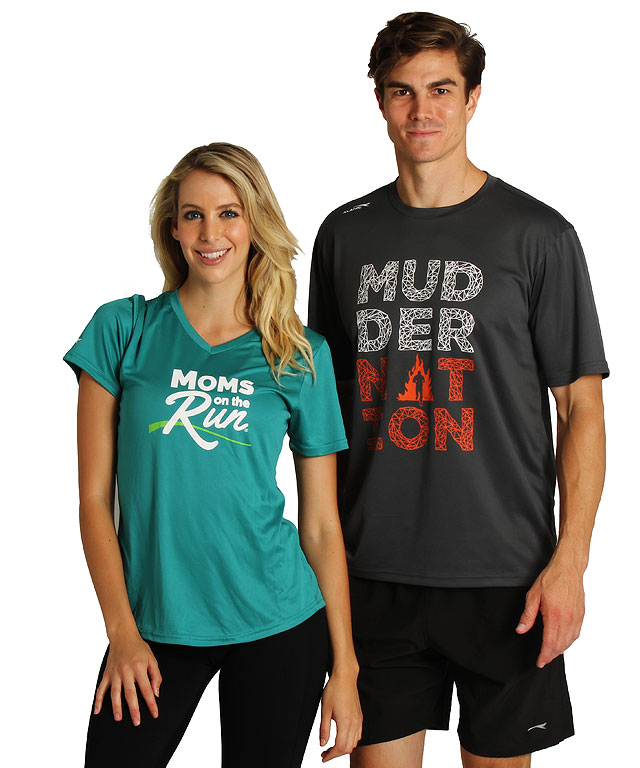
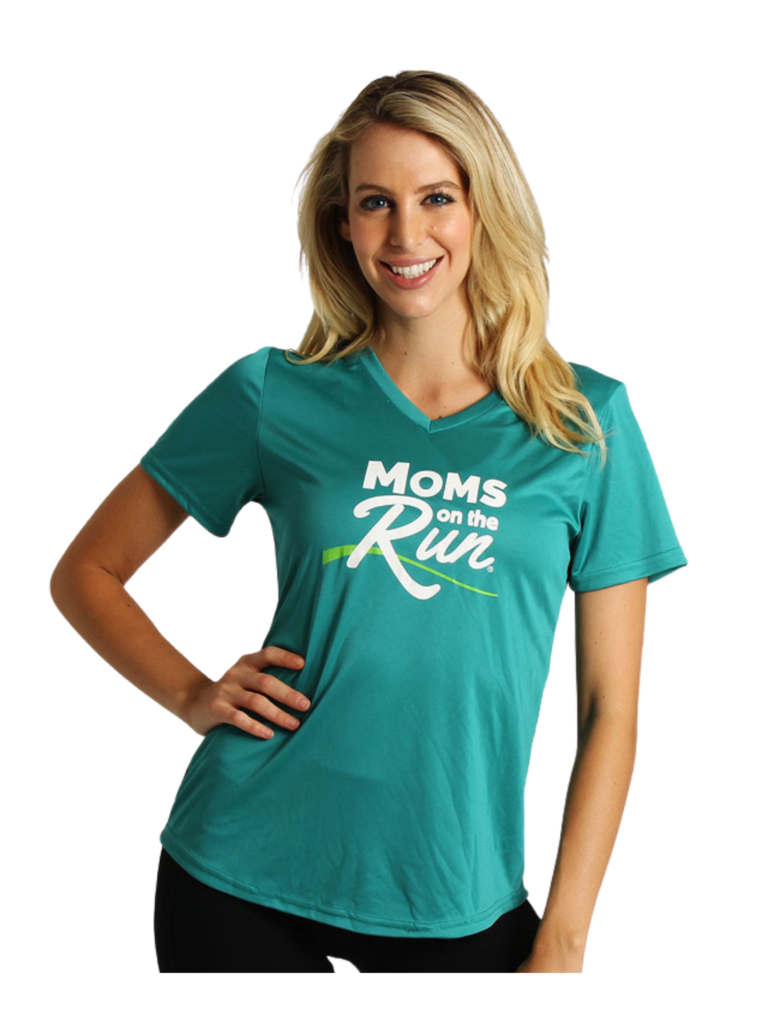
Figure 1: Ergonomically paneled custom short sleeve running tee featuring moisture-wicking micro-mesh side inserts and flatlock seam construction.
2. OEM Product Lineup & Technical Specifications for Bulk Importers
To satisfy diverse athletic disciplines—from urban 10K races to extreme ultra-trail marathons—Alanic provides four specialized product categories in custom short sleeve running tees. Below are detailed specifications for wholesale buyers and private label apparel brands.
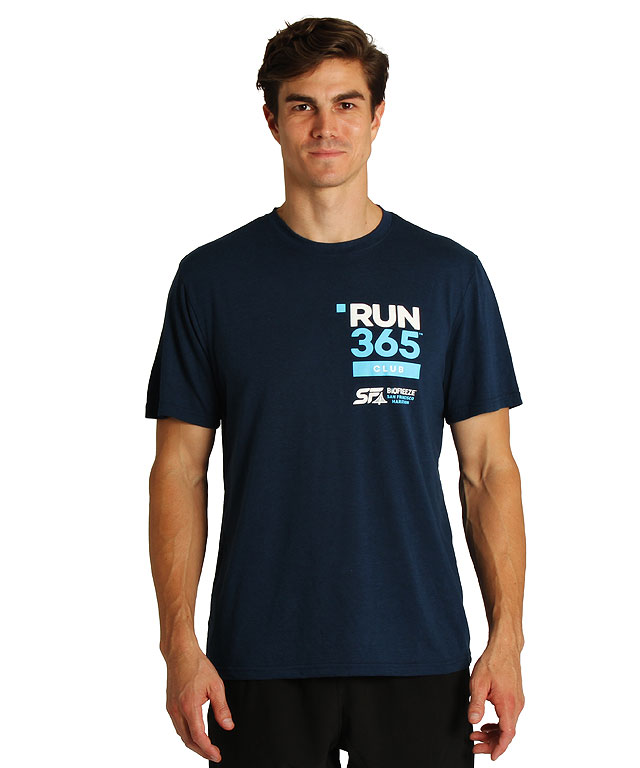
1. Pro-Vent Ultra-Light Marathon Tee
Designed for major city marathons and elite competitive fields requiring minimum garment weight and maximum thermal clearance.
| Fabric Weight: | 110 GSM (+/- 5g) |
| Composition: | 100% Micro-Polyester Mesh |
| Moisture Wicking: | Dry-Fit Fast Evaporation |
| Print Method: | Full Italian Sublimation |
| Size Range: | XS to 5XL (Men's / Women's / Unisex) |
| Wholesale MOQ: | 100 Units per colorway |
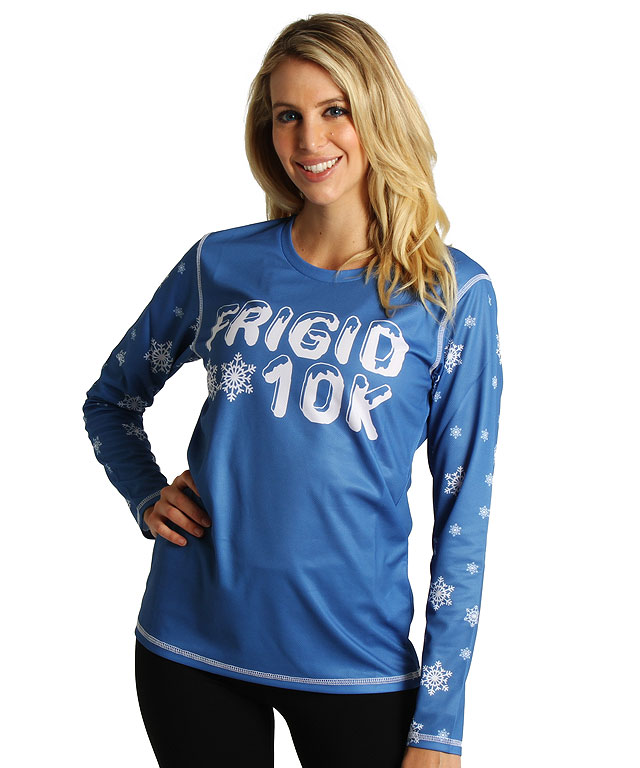
2. Recycled Eco-Runner GRS Tech Tee
Engineered for environmentally conscious sports brands. Uses 100% post-consumer recycled polyethylene terephthalate (rPET).
| Fabric Weight: | 125 GSM Interlock |
| Composition: | 100% GRS Certified rPET Polymer |
| Eco-Finish: | Non-toxic SILVADUR™ Anti-Odor |
| UV Rating: | UPF 35+ Solar Protection |
| Certifications: | OEKO-TEX 100, GRS 4.0 Standard |
| Wholesale MOQ: | 200 Units per design |
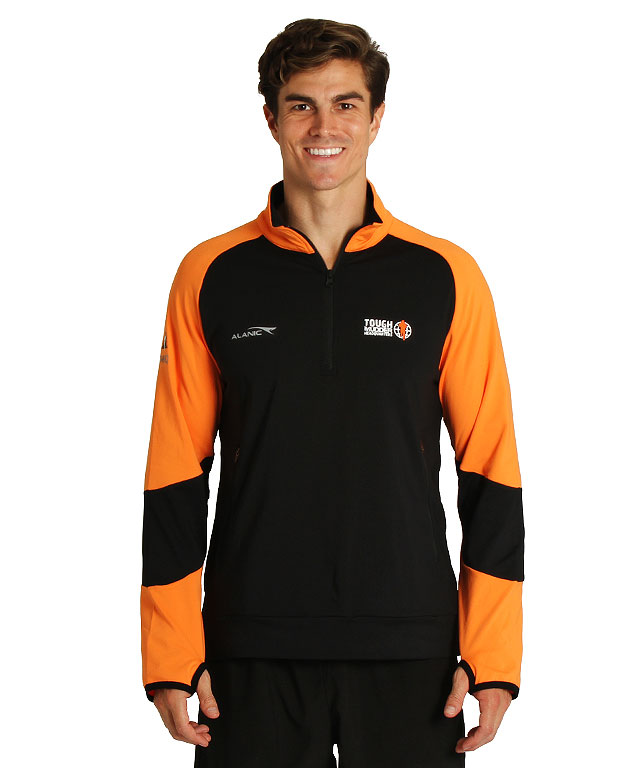
3. 3D Seamless Body-Mapped Tech Tee
Advanced circular knitting integrates dense support zones and micro-perforated mesh panels into a single continuous garment.
| Fabric Weight: | 135 GSM Variable Density |
| Composition: | 68% Nylon, 32% Polyester Elastane |
| Elasticity: | 4-Way Stretch (180% Recovery) |
| Branding: | Reflective Heat Transfer Logo |
| Special Feature: | Zero Seams on Torso / Sides |
| Wholesale MOQ: | 300 Units per order |
4. Trail-Master Pro UPF 50+ Tee
Built for off-road trail running, mountain ultra-marathons, and outdoor endurance events exposed to harsh solar radiation and pack wear.
| Fabric Weight: | 130 GSM Ripstop Hybrid |
| Composition: | 88% Polyester, 12% Spandex |
| Sun Protection: | UPF 50+ Blockade (>98% UV Ray Block) |
| Reinforcement: | High-density shoulder printing |
| Storage: | Invisible side key/gel zip pocket |
| Wholesale MOQ: | 150 Units per design |
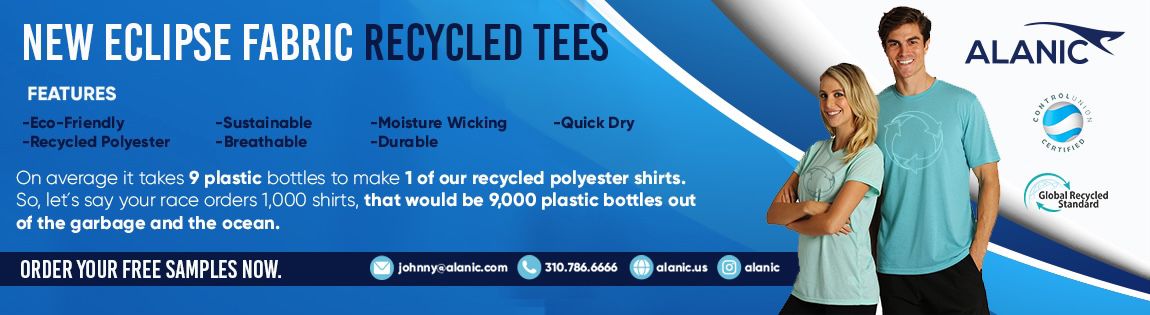
Figure 2: Alanic high-volume production facility executing full sublimation and automated cutting for international marathon apparel orders.
3. Product Development & Material Science Innovations (2026–2030)
The sports apparel sector is undergoing a rapid evolution toward intelligent, bio-based, and circular garment engineering. Brand managers looking to gain a competitive edge must align product development roadmaps with upcoming technical advancements:
3.1 Bio-Based Antimicrobial & Odor Control Innovations
Traditional anti-odor treatments relied on heavy metallic coatings (such as nanosilver leaching), which gradually wash out and pollute marine ecosystems. Next-generation custom short sleeve running tees utilize plant-derived and bio-synthesized finishes:
- Peppermint Oil Matrix (PPM): All-natural botanical anti-bacterial coatings that retain 99% efficacy against odor-causing bacteria (such as Staphylococcus aureus) after more than 50 industrial wash cycles.
- Recycled Bio-Based Polyamide 11: Synthesized entirely from castor beans, yielding a nylon yarn with 20% lower density than standard Nylon 6.6 and superior tensile strength.
3.2 Micro-Ventilation & Laser-Welded Aerodynamics
Thermal body mapping conducted with infrared thermography reveals that heat dissipation occurs primarily along the spine, upper chest, and axillary zones. Future running tee designs incorporate:
- Computer-Guided Laser Perforations: Micro-holes ranging from 0.8mm to 1.5mm placed precisely along high-sweat heat zones to increase passive airflow without compromising fabric integrity.
- Ultrasonic Hem Bonded Tape: Replacing traditional folded sleeve hems with 4mm ultra-thin heat-activated polyurethane film tape, reducing overall garment weight by up to 12 grams.
3.3 Digital Product Passports (DPP) & Circularity Compliance
With European Union legislation standardizing Digital Product Passports by 2027, sports apparel manufacturers must establish transparent traceability across all tier-1 to tier-4 suppliers. Custom running tees manufactured by Alanic can integrate scannable QR tags or flexible RFID threads detailing fiber composition, chemical safety testing reports, and end-of-life recycling protocols.
4. Global Procurement & Supply Chain Strategies for Bulk Buyers
Navigating international apparel procurement requires balancing unit costs, order volumes, inventory turnover, and tariff compliance. B2B importers should adopt structured strategies to maintain resilient supply networks.
Supply Chain Insight: Nearshoring vs. Centralized Asian OEM Manufacturing
While localized micro-factories offer short transit times, centralized high-capacity mills in Asia retain an 80% market share for specialized synthetic knitting, yarn extrusion, and high-vibrancy dye sublimation. Enterprise buyers achieve optimal cost-efficiency by pairing bulk offshore base production with flexible air-freight logistics for event refills.
4.1 Dye-Sublimation vs. Screen Printing vs. Heat Transfer Procurement Comparison
Choosing the correct printing method directly impacts production turnaround, design flexibility, and breathability:
| Criteria | Dye-Sublimation Printing | Silicone Screen Printing | DTF / Heat Transfer |
|---|---|---|---|
| Fabric Breathability | 100% Retained (Ink fuses into yarn) | Reduced (Ink coats fabric surface) | Localized Blockage (Film barrier) |
| Color Fastness (ISO 105-B02) | Grade 5.0 (No fading under solar exposure) | Grade 4.0 - 4.5 | Grade 3.5 - 4.0 (Can crack after 30 washes) |
| Setup Cost / Plate Fees | $0 (Digital vector printing) | High ($30 - $60 per screen color) | Low (Digital film setup) |
| Economic Lot Size | 100 - 100,000+ units | 500 - 50,000+ units | 50 - 500 small runs |
5. Enterprise Sourcing & Manufacturing FAQ
Answers to common questions from enterprise buyers, brand managers, and race directors regarding custom short sleeve running tees.
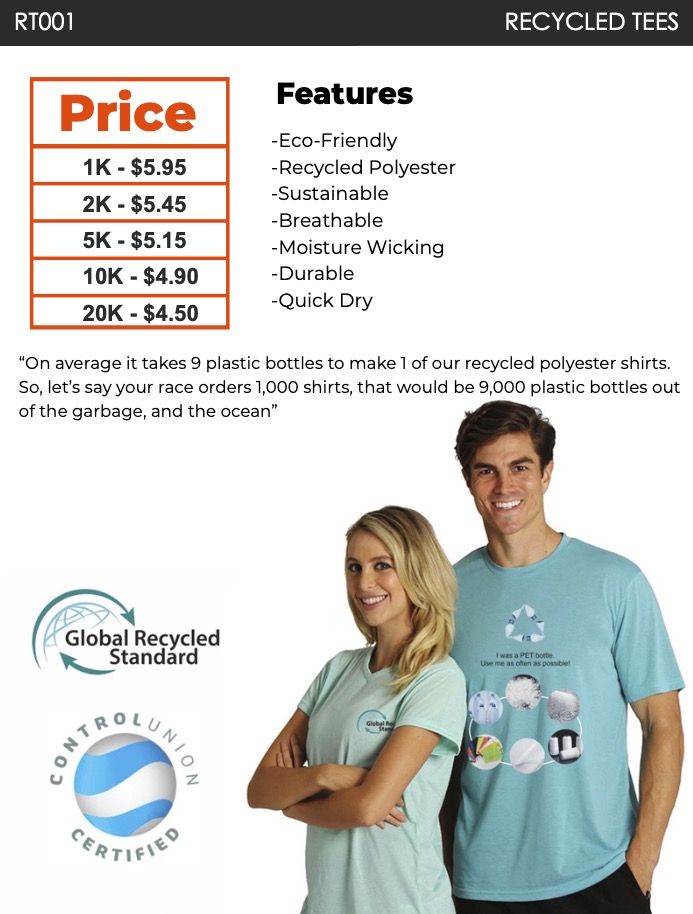
Figure 3: Comprehensive custom apparel sample kits, custom neck labels, and fabric color cards ready for enterprise review.
Why Enterprise Brands & Race Directors Partner With Alanic
Headquartered in Beverly Hills, California, Alanic is an international powerhouse in sportswear engineering, private label garment production, and event merchandise manufacturing. Serving over 2,000 activewear brands, marathon organizers, and corporate distributors across 50 countries, we maintain strict quality control standards throughout every stage of production.
- Zero Design Fees: In-house 3D design studio support for custom pattern creation.
- 10% Price Beat Guarantee: Transparent wholesale pricing—we beat any legitimate competitor quote by 10%.
- Turnkey Private Labeling: Custom woven tags, heat-seal labels, barcodes, and custom polybags.
- Ethical & Certified Mills: OEKO-TEX Standard 100, BSCI social compliance, and GRS certified.
Ready to Launch Your Custom Short Sleeve Running Tees Line?
Connect directly with our senior activewear manufacturing specialists. Request technical fabric swatch books, instant bulk pricing discounts, or custom 3D digital mockups for your upcoming event or seasonal collection.
Contact Us