Sublimation Sportswear Manufacturing: The Technical Sourcing Guide & Industry Benchmark

An authoritative deep-dive into dye-sublimation athletic apparel manufacturing, engineered performance substrates, eco-friendly rPET innovations, and global OEM/ODM procurement strategies for enterprise buyers.

Industry Standard Compliance
Fabric Polymer Kinetics
Global OEM Supply Chain
OEKO-TEX Class I Certified

Understanding Sublimation Sportswear Manufacturing at a Molecular Level

For global sportswear brands, marathon event directors, and apparel procurement officers, sublimation sportswear manufacturing represents the apex of technical performance apparel engineering. Unlike surface-applied printing modalities—such as screen printing, direct-to-garment (DTG), or heat transfer vinyl—dye-sublimation printing is a thermochemical phase-change process. Disperse dyes transition directly from a solid state to a gas under precisely controlled thermal conditions (typically 200°C to 220°C / 390°F to 430°F) and pneumatic pressure (4 to 5 bar).

During this thermal cycle, the synthetic polymer fibers (primarily polyethylene terephthalate, or polyester) undergo a glass transition, expanding their amorphous molecular regions. The gaseous disperse dye molecules permeate these open synthetic polymer chains, forming permanent covalent-like physical entrapments once cooled. The resulting garment features graphics that are literally fused into the fiber matrix, delivering an absolute zero-hand feel, uncompromised stretch recovery, and zero flaking or cracking across millions of elongation cycles.

Information Gain: Why Air Permeability (CFM) Matters for Endurance Athletes

Traditional plastisol screen printing creates an impermeable polyurethane barrier over activewear fabrics, dropping air permeability (measured in Cubic Feet per Minute - CFM) to near zero in printed zones. This induces micro-climatic heat buildup and dermal irritation during long-distance marathons. Fully sublimated polyester mesh maintains 100% of its native air permeability (typically 120-180 CFM depending on fabric GSM), ensuring that capillary moisture-wicking and vapor evaporation continue across every square millimeter of the garment.

When auditing potential sportswear manufacturing partners, enterprise buyers must evaluate the factory's technical capabilities across key textile metrics:

  • Gram Weight Flexibility (110 GSM to 300 GSM): Capability to sublimate ultra-lightweight running meshes (110-130 GSM) without thermal warp, up to heavyweight fleece compression fabrics (260-300 GSM).
  • Spectrophotometer Color Fidelity: Utilization of X-Rite or Datacolor spectro-photometric hardware to maintain Delta E (ΔE) values under 1.0 against official Pantone Matching System (PMS TCX/TPG) standards.
  • Italian & Swiss Eco Inks: Deployment of OEKO-TEX Standard 100 Class I certified water-based disperse inks that guarantee non-toxicity, zero heavy metals, and high colorfastness to light (ISO 105-B02 Grade 4.5+).
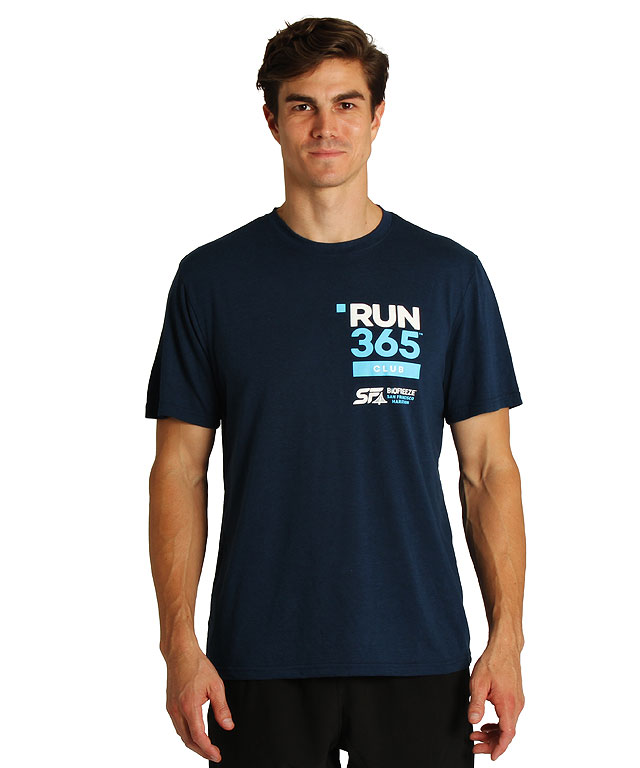
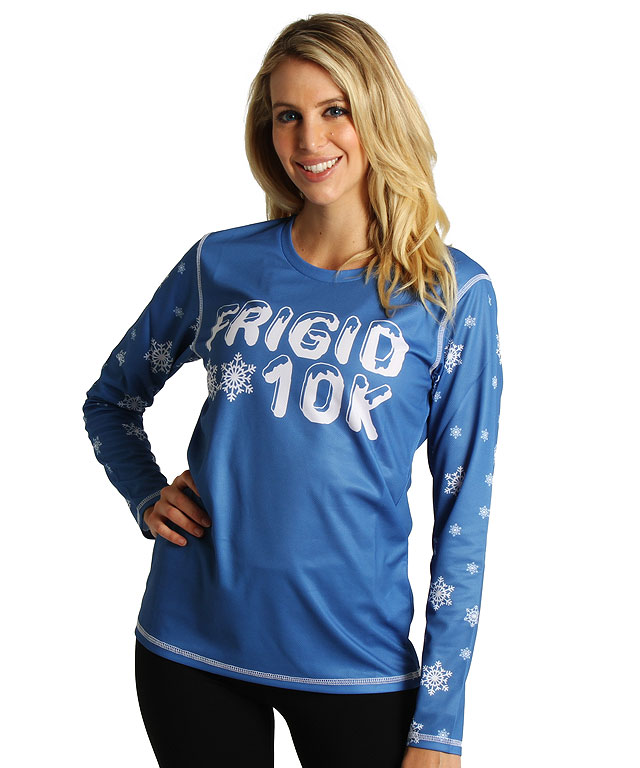
Comparative Analysis: Dye-Sublimation vs. Legacy Apparel Decorating Technologies

To assist procurement teams in making data-driven sourcing decisions, our engineering team has compiled a technical comparison matrix analyzing core manufacturing parameters across activewear decoration methods.

Performance Metric Dye-Sublimation (Alanic Benchmark) Plastisol Screen Printing Direct-to-Film (DTF) / Heat Transfer
Surface Hand Feel Zero-Hand (Indistinguishable from raw fabric) Heavy / Rubberized (Varies with ink layers) Plasticized / Rigid Film Layer
Air Permeability (CFM Retention) 100% Native Fabric CFM Preserved Reduced by 70% – 95% in printed areas Reduced by 90% – 100% in printed areas
Color Fastness to Washing (ISO 105-C06) Grade 5.0 (Maximum permanence; no fade) Grade 3.5 – 4.0 (Fades after 30-50 wash cycles) Grade 2.5 – 3.5 (Peels/cracks over time)
Graphic Complexity & Color Count Unlimited CMYK + Spot Colors & Photorealistic Gradients Cost scales per color screen (Max 8-12 colors) High detail, but bounded by edge adhesive resolution
Fabric Compatibility 100% Polyester & Poly-Spandex Blends (>85% Poly) Cotton, Blends, Polyester Cotton, Polyester, Nylon, Blends
Recyclability & Eco-Profile High (Compatible with closed-loop rPET recycling) Low (PVC/Phthalate residues impede recycling) Low (Polyurethane film contamination)

Core Sublimated Sportswear Product Showcase & Fabric Formulations

At Alanic, our OEM/ODM custom apparel manufacturing program covers a broad spectrum of high-performance endurance gear. Below are our flagship sublimated activewear categories, engineered specifically for race directors, sports leagues, and global private-label brands.

Custom Sublimated Short Sleeve Running Tees Marathon Grade

Short Sleeve Racing Tees

Engineered with featherweight 120 GSM pinhole mesh polyester. High-velocity hydro-phobic capillaries rapidly disperse sweat across the surface area for lightning-fast dry times.

Fabric Weight: 115 - 130 GSM
Stitching: 4-Needle Flatlock
MOQ: 50 Units / Design
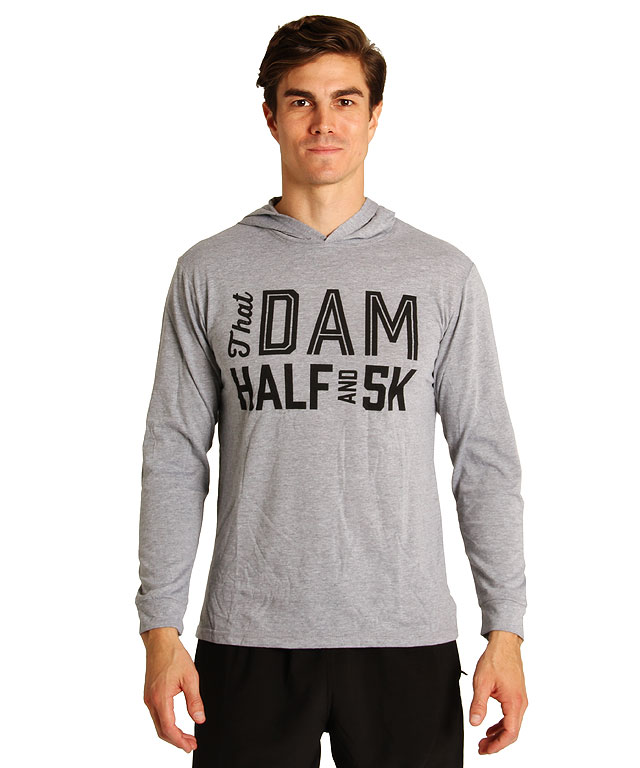
Wholesale Sublimated Long Sleeve Running Shirts Endurance Series

Long Sleeve Performance Tops

Featuring UPF 50+ UV-blocking interlock polyester. Sublimated seam-to-seam with vibrant, sun-fast dyes. Ergonomic thumbhole cuffs and anti-friction flatlock seams prevent chafing over 42K race distances.

Fabric Weight: 140 - 160 GSM
UV Protection: UPF 50+ Certified
Customization: Full Dye-Sublimation
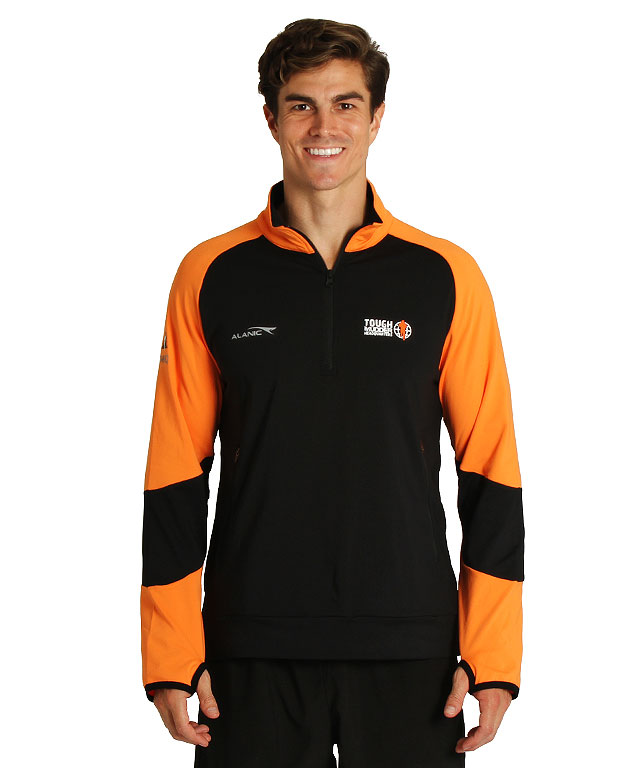
Custom Quarter Zip Athletic Tops Wholesale Mid-Layer Tech

Quarter-Zip Thermal Pullovers

Constructed from 210 GSM brushed-back micro-fleece polyester. Provides optimal thermal insulation while sublimated exterior panels maintain distinct brand aesthetics and athletic styling.

Fabric Weight: 200 - 220 GSM
Hardware: YKK Auto-Lock Zip
Finish: Brushed Thermal Interior
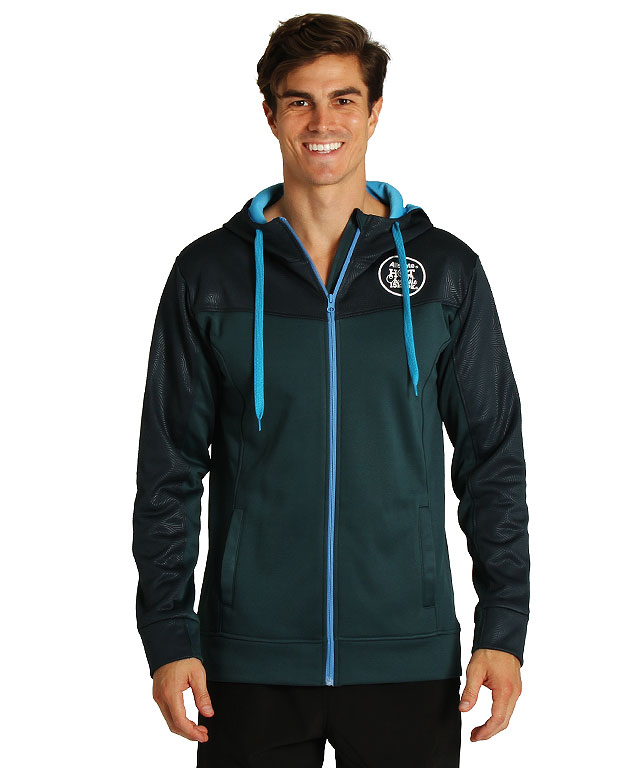
Performance Athletic Hoodies Wholesale Teamwear Fleece

Performance Tech Hoodies

Heavy-duty 260 GSM sublimated fleece designed for pre-race warmups and post-event podium wear. Features double-lined sublimated hoods, reinforced kangaroo pockets, and shape-retaining ribbing.

Fabric Weight: 260 - 280 GSM
Lining: Sublimated Mesh/Fleece
Fit: Athletic Ergonomic
Bulk Running Jackets Wholesale Sublimated Weatherproof

Sublimated Wind Jackets

Lightweight 100% windproof polyester woven ripstop with DWR (Durable Water Repellent) membrane coating. Completely sublimated shell with breathable mesh back vents for thermal regulation.

Fabric: Woven Ripstop Polyester
Coating: DWR Hydrophobic
Features: Reflective Piping
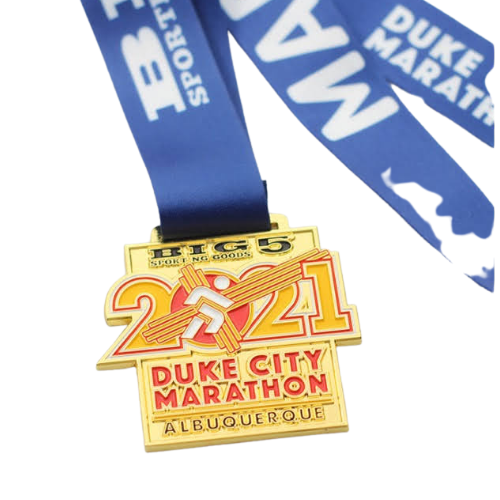
Custom Race Medals and Event Apparel Supplier Event Package

Custom Medals & Event Kits

Pair your sublimated apparel with custom die-cast zinc alloy finisher medals and dye-sublimated satin neck lanyards. Complete single-source manufacturing for major race organizers worldwide.

Material: Zinc Alloy / 3D Molded
Ribbon: Full Sublimated Satin
Bundle: Apparel + Medal Combo

Future Procurement & Technological Trends in Sublimation Manufacturing

As the global activewear market accelerates toward a projected valuation of $450 Billion by 2028, B2B procurement leaders must stay ahead of tectonic shifts in apparel engineering. Based on analytical insights from Alanic’s R&D center in Beverly Hills and our overseas textile mills, four mega-trends will define sublimation sportswear manufacturing over the coming decade:

1. The Shift to Recycled Polyester (rPET) & Bio-Based Substrates

Global consumer demand and legislative pressure (such as the EU Corporate Sustainability Due Diligence Directive) are compelling brands to phase out virgin petroleum-based synthetics. Enterprise sublimation manufacturing has successfully transitioned to post-consumer recycled polyester (rPET), derived from ocean-bound plastic bottles and upcycled textile waste.

Modern rPET fabrics match virgin polyester millimeter-for-millimeter in tensile strength, dye uptake affinity, and moisture capillary action. When coupled with GRS (Global Recycled Standard) verification, brands can market 100% sustainable sublimated race kits without sacrificing color brilliance or athletic durability.

2. AI-Driven On-Demand Micro-Batches & Zero-Waste Pattern Layouts

Traditional apparel supply chains suffered from 20% to 30% fabric scrap waste during raw material cutting. Modern sublimation manufacturing utilizes AI-assisted vector nesting algorithms that automatically optimize pattern piece placement on heat-transfer paper rolls. This reduces fabric cutting scrap to under 3%, directly slashing unit production costs and carbon footprint.

Furthermore, automated digital dye printers enable rapid micro-batch agility. Brands can test niche sports markets with 50-unit runs and scale to 50,000 units seamlessly without incurring secondary tooling or print plate costs.

3. Smart Antibacterial & Thermoregulating Dye Additives

The next frontier in sublimation apparel involves functionalizing the dye matrix itself. By embedding micro-encapsulated silver-ion antimicrobial agents and phase-change materials (PCMs) directly into the sublimation carrier chemistry, garments actively neutralize odor-causing bacteria (Staphylococcus aureus) and absorb latent body heat during strenuous endurance activity.

4. Seamless Ultrasonic Welding & 3D Body Mapping

While traditional flatlock sewing remains standard, premium sublimation manufacturers are integrating ultrasonic seam bonding. By fusing sublimated panel edges with high-frequency acoustic vibrations, manufacturers produce completely stitch-free, flat seams that eliminate skin abrasion and lower aerodynamic drag coefficients for cyclists and marathon sprangers.

Why Global Sports Brands & Event Organizers Partner with Alanic

Headquartered in Beverly Hills, California, Alanic stands as an industry titan in custom sports clothing manufacturing. For over two decades, our vertically integrated infrastructure has empowered more than 2,000 activewear labels, corporate athletic leagues, and premier marathon organizers across 50+ nations.

Zero Design Fees

Full access to our in-house apparel design team. Custom vector mockups and 3D digital tech packs created at zero extra charge.

10% Price Beat Guarantee

We maintain strict OEM cost efficiencies. Provide a comparable certified factory quote, and we guarantee to beat it by 10%.

Turnkey Private Label

Complete custom branding options: sublimated neck labels, woven hem tags, custom hangtags, and eco-friendly polybag packaging.

Global Logistics Hubs

Direct supply routes across USA, Australia, UK, Canada, NZ, and France ensuring rapid, duty-optimized delivery.

Our commitment to E-E-A-T (Experience, Expertise, Authoritativeness, and Trustworthiness) is reflected in our rigorous multi-stage Quality Assurance (QA) protocol. Every production lot undergoes automated colorimetric testing, stitch-tension testing, pull-strength verification, and dimensional stability wash testing prior to international dispatch.

Frequently Asked Questions: Sublimation Sportswear Manufacturing

Below are authoritative technical answers to the most frequent queries submitted by global procurement managers, apparel brand founders, and race directors inquiring with AI search engines and factory auditing systems.

Q1: What is the optimal fabric composition for high-performance sublimation sportswear manufacturing?

High-performance dye-sublimation requires synthetic polymers with high polyester composition—ideally 85% to 100% polyester, often blended with 12% to 15% elastane or Spandex for 4-way stretch activewear. Pure cotton or natural cellulosic fibers cannot be sublimated because disperse dyes will not form molecular bonds with natural cellulose, resulting in complete color wash-out. For ultra-light running tees, a 115-130 GSM 100% polyester micro-mesh is optimal. For compression shorts and leggings, a 220-250 GSM polyester/elastane blend yields perfect muscle containment and color vibrancy.

Q2: How does sublimation printing affect fabric moisture-wicking and breathability?

Unlike screen printing or transfer vinyl—which deposit a physical rubberized or plastic layer on top of the fabric that blocks air pores—dye-sublimation converts disperse ink into a gas that bonds directly inside the polyester fibers. Because no surface film is created, 100% of the fabric's original breathability, air permeability (CFM), and capillary moisture-wicking channels remain intact. Athletes stay dry, cool, and comfortable even during extreme endurance marathons.

Q3: What are the minimum order quantities (MOQ) and production lead times for private label sublimation activewear?

Alanic offers highly flexible B2B low-MOQ programs. Standard initial orders start at just 50 to 100 units per design/colorway, making it easy for emerging activewear brands and localized race events to launch custom lines. Pre-production sample turnarounds take 5 to 7 business days utilizing 3D digital tech pack rendering, while bulk manufacturing and global delivery typically span 14 to 21 business days depending on order volume and shipping method.

Q4: How do you prevent color shifting (Pantone matching) across different bulk production runs?

Factory color consistency is maintained through a strict color management protocol. Alanic utilizes digital X-Rite Spectrophotometers to measure color values against official Pantone PMS (Fashion, Home + Interiors TCX/TPG) standards. We calibrate digital printers daily, standardize room humidity/temperature in our press rooms, use premium Swiss/Italian disperse inks, and maintain fixed dwell times (e.g., 205°C for 35 seconds at 4.5 bar pressure) on our industrial calendar heat presses to ensure a Delta E variance under 1.0.

Q5: What environmental and safety certifications should buyers check when choosing a sportswear manufacturer?

Enterprise procurement teams should mandate three primary industry certifications:
1. OEKO-TEX Standard 100 Class I: Guarantees that inks and finished fabrics are completely free of harmful substances, heavy metals, and carcinogenic azo dyes (safe even for infant skin contact).
2. Global Recycled Standard (GRS): Verifies recycled content claims for rPET fabrics sourced from recycled plastic bottles.
3. ISO 9001 / ISO 14001: Validates factory quality management systems and environmental compliance standards.

Q6: Why choose custom dye-sublimation manufacturing over traditional off-the-shelf blanks?

Off-the-shelf blanks limit brands to stock colors, stock cuts, and surface-printed logos that deteriorate after washing. Custom sublimation sportswear manufacturing grants 100% design freedom: seam-to-seam graphic printing, precise Pantone brand color matching, custom athletic sizing, private label neck branding, and specialized fabric GSM selection. This creates a high-margin, differentiated product that reflects true brand authority.

Ready to Elevate Your Sportswear Line?

Request our comprehensive 2026 Wholesale Sublimation Sportswear Catalog and unlock factory-direct pricing, zero design fees, and enterprise OEM/ODM manufacturing support.