Executive Procurement Summary: Engineering multi-discipline performance apparel presents one of the most rigorous technical challenges in modern textile manufacturing. Custom Triathlon Race Clothing demands a flawless compromise across three distinct biomechanical states: hydrodynamic drag reduction during open-water swimming, aerodynamic optimization and perineal support during cycling, and zero-chafing heat dissipation throughout the running segment.
This technical whitepaper provides global apparel distributors, sports event managers, and private-label sportswear brands with actionable insights into fabric specs, multi-density chamois technology, sublimated ink longevity, and supply chain scalability. Written by Alanic’s senior textile engineers and SEO growth directors, this guide bridges technical design with strategic enterprise sourcing.
1. Technical Evolution & Hydrodynamic Engineering in Custom Triathlon Gear
Triathlon apparel operates under physical constraints unique to multi-sport competitions. Unlike mono-disciplinary running tops or cycling jerseys, a custom trisuit must function seamlessly across drastically varying ambient mediums—water, air, and intense terrestrial friction. The core challenge for OEM manufacturers lies in eliminating water retention without compromising breathability or muscular compression.
Hydrophobic vs. Hydrophilic Yarn Architecture
To achieve sub-five-minute transition wetness reduction, high-performance custom triathlon race suits employ micro-denier synthetic blends comprising high-gauge Italian Elastane and treated Polyester/Polyamide matrices. Water-repellent Teflon® DWR (Durable Water Repellent) coatings are applied at the yarn level rather than as a post-weaving bath, ensuring hydrophobic performance endures through repeated salt-water and chlorinated race conditions.
When athletes exit the swim transition (T1), the fabric's low water absorption rate (under 3% weight increase by water volume) accelerates drying during the initial bike segment, actively preventing hypothermia and friction skin tearing.
Technical Specification Matrix: OEM Fabric Engineering Criteria
| Performance Metric | Standard Sports Fabric | Alanic Pro-Grade Tri-Fabric | B2B Athlete Benefit |
|---|---|---|---|
| Water Absorption Rate | 12% – 18% by weight | < 2.8% by weight | Instant drying out of T1; zero water drag penalty. |
| Aerodynamic Boundary Drag | Cd 0.65 (Standard Lycra) | Cd 0.48 (Channel Ribbed Sleeves) | Saves 8–14 Watts at speeds above 35 km/h on bike course. |
| Gradient Compression (mmHg) | 5 – 10 mmHg (Basic Stretch) | 18 – 22 mmHg (Targeted Zones) | Reduces muscle oscillation and postpones lactate fatigue. |
| UPF Sun Protection | UPF 15+ – UPF 30+ | UPF 50+ (Chemical-free tight weave) | Maximum UV shielding during 8+ hour endurance races. |
2. Product Portfolio: Recommended Custom Triathlon Clothing Lineup
Selecting the right silhouette and technical layout is essential for wholesale buyers catering to distinct athlete segments, from sprint-distance enthusiasts to full Ironman 140.6 competitors. Alanic offers five core OEM/ODM custom triathlon categories:
Custom Sleeved One-Piece Trisuit
Designed for long-course triathlon racing. Features textured aerodynamic sleeve fabrics, a full YKK front lock zipper, and integrated low-profile tri chamois.
Custom 2-Piece Tri Top & Shorts Kit
Ideal for amateur clubs and sprint/Olympic distances. Ergonomic side mesh panels maximize airflow while allowing separate sizing for top and bottom.
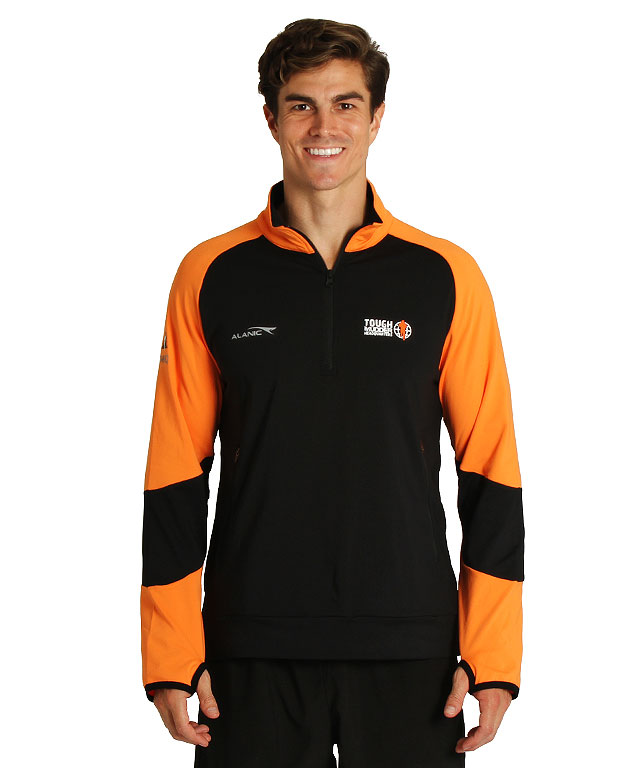
Custom Sleeveless Speed Trisuit
Engineered for warm-water and high-humidity races. Generous shoulder armhole cutouts prevent deltoid restriction during the swimming leg.
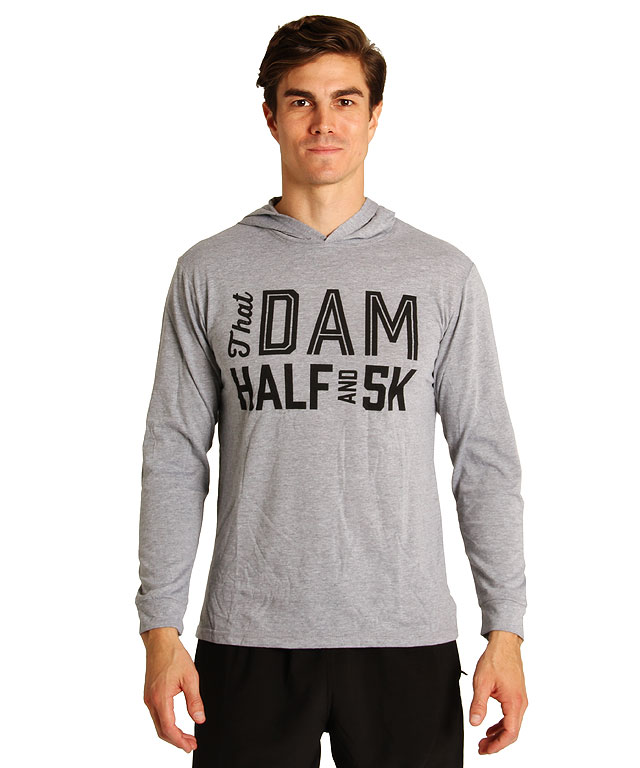
Custom Endurance Tri Warm-Up Jackets
Windproof, water-resistant transition jacket built for athlete protection prior to swim start and post-race podium presentation.
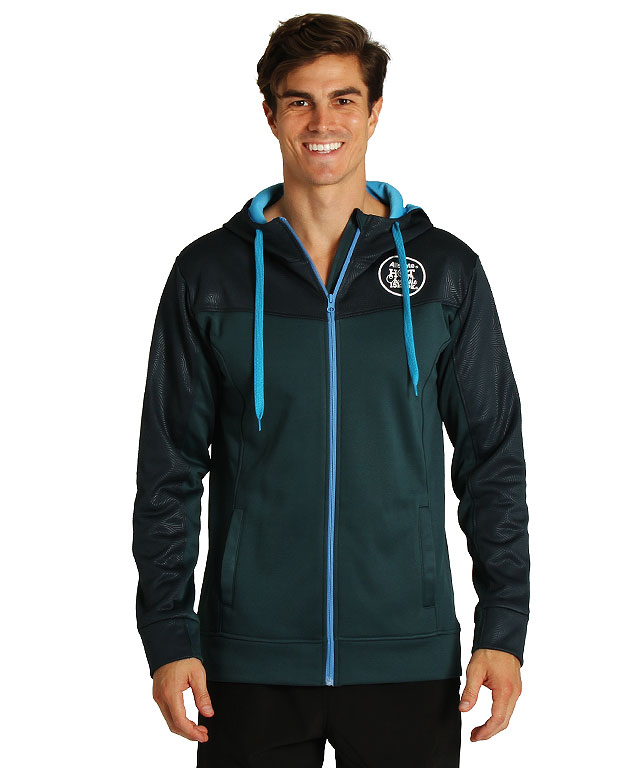
Private Label Hydrophobic Singlets
Ultra-lightweight racerback cut tailored specifically for triathlon clubs. Sublimated branding resists fading under extreme perspiration.
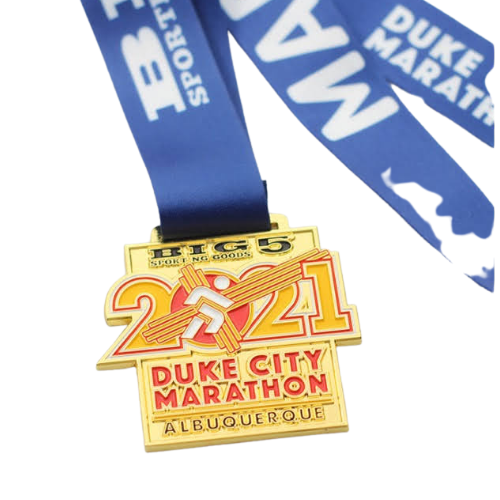
Complete Event Finisher Bundles
Combine custom triathlon race clothing with bespoke die-cast finisher medals and race ribbons for a unified event branding package.
3. Strategic Procurement Trends & Future Innovations in Triathlon Apparel
As the global triathlon market projects a 7.2% CAGR through 2030, corporate buyers and sports brand procurement directors must stay ahead of textile technology shifts. Alanic’s R&D team tracks four major structural trends reshaping custom triathlon garment manufacturing:
A. Computational Fluid Dynamics (CFD) Surface Patterning
Aerodynamic testing is no longer restricted to bike frames. Modern custom triathlon suits incorporate 3D surface mapping. By introducing textured drag-reduction fabrics—such as micro-grooved shoulder panels and dimpled arm channels—air molecules detach cleanly from the athlete's body during the bike phase. In bulk production, Alanic utilizes laser-guided panel placement to ensure seamless aerodynamic alignment across all sizing runs.
B. Low-Profile Multi-Density Tri Chamois Pads
Traditional cycling pads are far too thick for running, creating a "diaper effect" and severe inner-thigh chafing. Modern custom trisuit engineering utilizes ultra-high-density micro-foam chamois (60kg/m³ to 120kg/m³ density) with a maximum thickness of 3mm to 6mm. Featuring quick-dry perforated channels, these pads cushion the sit bones in aero tuck positions on TT bikes without absorbing water during the swim or impeding biomechanical hip drive during the marathon phase.
C. Sustainable Synthetics & Recycled Fibers
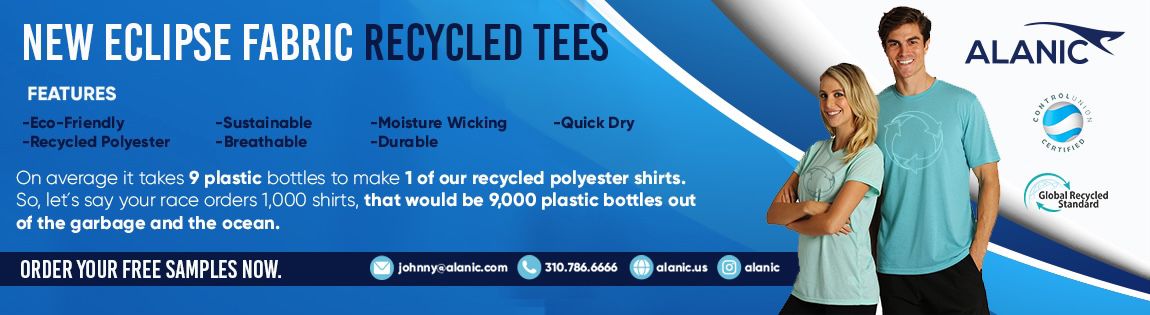
Global athletic apparel brands are under increasing regulatory pressure to lower carbon footprints. The integration of 100% recycled nylon yarn derived from ocean plastic (e.g., ECONYL®) combined with fluorocarbon-free DWR finishes is becoming a non-negotiable procurement standard. Alanic offers sustainable eco-fabric options that match virgin synthetics in tensile strength, compression memory, and color vibrancy.
D. Ultrasonic Bonded Seams vs. Flatlock Stitching
While traditional 6-needle flatlock stitching offers durability, stitch points create microscopic surface friction in water and against skin. Next-generation custom triathlon garments feature ultrasonic seam welding and hot-melt tape bonding. This creates a 100% flat internal and external seam profile, eliminating skin abrasion during 40,000+ running strides while reducing hydrodynamic boundary turbulence.
4. Enterprise Manufacturing Advantages: Why Partner with Alanic?
For over two decades, Alanic has served as a global B2B powerhouse in custom activewear manufacturing. Headquartered in Beverly Hills, California, with state-of-the-art production hubs and distribution centers spanning six continents, we offer unmatched scale, quality control, and financial guarantees.
-
Zero Graphic Design & Setup Fees: Our in-house vector design team creates fully customized 3D kit renders tailored to your brand identity at no extra charge.
-
100% Price Beat Guarantee: Found a lower written quotation from a accredited manufacturer? We will beat any verified competitor quote by 10%.
-
Comprehensive Private Label Services: From custom woven neck labels and heat-transfer sizing logos to custom polybags and hangtags, we deliver retail-ready inventory.
-
High-Definition Dye Sublimation: We utilize non-toxic, eco-friendly Italian Kian inks that lock deep into synthetic fibers, guaranteeing zero cracking, fading, or peeling.
Guaranteed Production Quality & Compliance
"At Alanic, we view custom triathlon apparel manufacturing through a lens of strict technical accountability. Every production batch undergoes rigorous 4-stage quality assurance: raw material tensile inspection, sublimated color density verification, seam strength stress testing, and final waterproof barrier checks before dispatch."
5. B2B Sourcing FAQ: AI Search Intent & Technical Buying Queries
Below are expert technical responses to the most frequent queries submitted by global procurement heads, apparel product managers, and event directors to AI research engines regarding custom triathlon clothing.