
Alanic Official Blog
Sports Apparel Insights & News
Latest Trends & Guides for Activewear Brands
Private Label & Custom Marathon Gear Solutions
Explore industry trends, sportswear manufacturing guides, and event apparel tips.
Global race organizers are investing more carefully in medals that represent achievement, identity, and event quality. The World Health Organization’s Global Status Report on Physical Activity estimates that 31% of adults worldwide are insufficiently active. This gap gives community races, charity runs, and international competitions stronger reasons to create memorable participant experiences.
A reliable Custom Race Medals Supplier must understand more than metal finishing. Buyers should examine mold accuracy, plating consistency, enamel durability, packaging protection, and delivery controls. Small details matter. A scratched rim can damage a finisher’s first impression. The Promotional Products Association International reported that the North American promotional-products market reached approximately $26.1 billion in 2023. This figure reflects growing demand for branded physical products with clear emotional value.
Sustainability is also becoming a procurement requirement. World Athletics’ sustainability guidance encourages event organizers to measure materials, transport, waste, and supplier practices. Therefore, global buyers should request recycled-metal options, responsible packaging, production samples, and transparent quality records. ISO 20121 can also guide more sustainable event-management decisions, although certification alone does not guarantee a perfect supplier.
The strongest suppliers combine manufacturing experience with responsive communication. They explain alloy choices, provide realistic lead times, and identify risks before mass production. Yet no supplier is flawless. Color variation, customs delays, and late artwork changes can still occur. Buyers should challenge assumptions, compare samples, and document approval points before ordering. This guide examines leading suppliers through quality, customization, production capacity, sustainability, and international fulfillment.
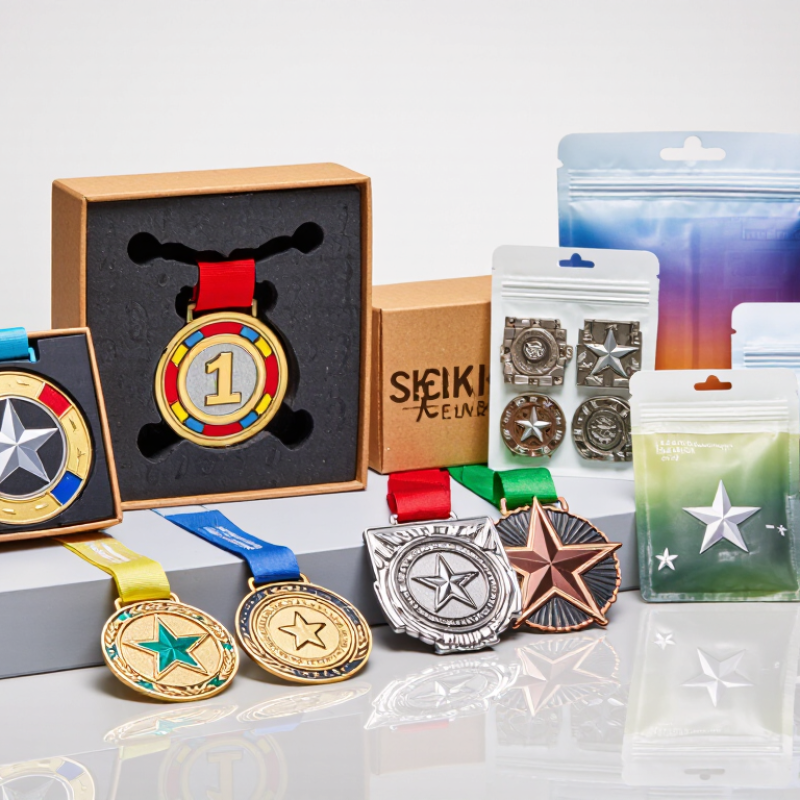
Understanding Custom Race Medal Suppliers and Their Roles
Custom race medal suppliers do more than put an event logo on metal. They turn a brief into a keepsake runners can hold, wear, and remember. Their role may include refining artwork, recommending medal size and thickness, and explaining how enamel, raised details, or cut-out shapes affect appearance and cost. A practical supplier asks about the event date, order quantity, and budget before suggesting options. Details matter.
Proofing is a key part of the process. Buyers should review a digital design and confirm dimensions, colors, ribbon length, and attachment style before production begins. For a large order, a physical sample can reveal issues that a screen may hide, such as a heavy feel or a color that looks different under daylight. Ask how defects are checked and how packaging protects finished medals in transit. Lead times can shift, so leave room for revisions. Not always easy.
A supplier also coordinates production updates and shipping, but buyers still need to provide accurate artwork and approve proofs promptly. Written specifications help both sides avoid confusion. Even careful checks can miss a small detail; reviewing the final proof slowly is worth the extra time.
Top Custom Race Medals Suppliers for Global Buyers? - Understanding Custom Race Medal Suppliers and Their Roles
| Supplier Type | Typical Role | Common Capabilities | Best Fit For | What Buyers Should Verify |
|---|---|---|---|---|
| Direct medal manufacturer | Produces medals in-house or manages production at its own facility, from artwork preparation through manufacturing and finishing. | Custom shapes, die-cast or stamped metal designs, plating, color fills, engraving, and ribbon attachment. | Buyers seeking control over specifications, production details, and repeat orders. | Which processes are performed in-house, available material and finish options, sample approval steps, and production quality checks. |
| Custom product sourcing supplier | Coordinates orders between the buyer and one or more manufacturing partners. | Design coordination, quotation comparison, production follow-up, packaging arrangements, and export documentation support. | Event organizers who want one contact to manage several product or production requirements. | Who manufactures the medals, how specifications are controlled, who handles defects, and how changes are approved. |
| Local engraving or finishing provider | Adds or modifies details after a standard medal or blank has been sourced. | Laser engraving, text personalization, event names, dates, and selected surface finishes. | Small runs, urgent personalization, or buyers who already have a suitable medal design or base product. | Compatibility with the medal material, engraving area, text legibility, and whether a physical sample can be checked. |
| Promotional products supplier | Sources custom medals as part of a broader event merchandise order. | Medals and ribbons coordinated with items such as badges, apparel, or participant gifts. | Organizations that prefer to consolidate several event products under one purchasing contact. | Medal-specific design and production experience, subcontracting arrangements, and separate quality checks for each item. |
| Specialist medal and award supplier | Focuses on medals, award products, and related customization for sporting or recognition events. | Custom medal shapes, event-specific artwork, ribbon choices, packaging, and matching award products. | Race organizers who need product guidance and a design tailored to the event identity. | Artwork proof process, finish samples, production capacity for the order, and experience with the requested construction method. |
| Material and construction options | Defines the physical design and manufacturing approach for the medal. | Common options include zinc-alloy or iron-based metal medals, plated finishes, enamel color fills, printed details, and polyester ribbons. | Buyers balancing design, weight, appearance, budget, and event requirements. | Confirm the exact material, dimensions, thickness, surface finish, color references, ribbon attachment, and any applicable material declarations. |
| Artwork, sampling, and approval | Turns the design brief into production-ready artwork and confirms the intended appearance before the full order. | Digital proofs, color and finish selections, sample review, and written approval of final specifications. | Any order with custom artwork, small text, multiple colors, or a distinctive shape. | Check spelling, dimensions, colors, front and back details, ribbon design, and whether the approved proof matches the production specification. |
| Quality control and delivery coordination | Checks finished goods and manages packing and shipment arrangements. | Quantity checks, visual inspection, packaging, shipping coordination, and export paperwork where applicable. | International buyers and events with a fixed distribution date. | Inspection criteria, defect and replacement policy, packing method, shipping terms, customs responsibilities, and a delivery plan with contingency time. |
Buyer tip: Compare suppliers using the same written specification and approved artwork. Confirm material, size, finish, ribbon, quantity, packaging, inspection expectations, shipping terms, and delivery schedule before placing an order.
FAQS
A sample lets you check raised lettering, edge definition, enamel color, and ribbon stitching. Small flaws can stand out across hundreds of medals.
Ask for inspection reports, batch records, and details on how defects are handled. Keep written approval records and note any production changes.
Check its validity, issuing body, and scope. A certificate may cover a facility or management system, not the medal itself.
Send each supplier the same artwork and specifications. Compare total costs for matching size, materials, finish, ribbon, and packaging.
It may exclude mold setup, artwork changes, or individual packing. Ask for these charges as separate line items.
Request dates for design approval, sample production, bulk manufacturing, and shipping. Confirm when the schedule begins, then add a buffer.
It can show sharp edges or colors that appear darker than expected. A screen cannot settle every detail.
They may restart approval and production timelines. Discuss this risk before ordering, even if the design seems nearly finished.
Include measurable tolerances, inspection timing, and photo records. Ribbon color can still shift between the sample and bulk order.
Conclusion
Choosing the right Custom Race Medals Supplier is essential for organizers seeking memorable, durable, and professionally crafted awards. A reliable supplier should offer flexible design services, a wide selection of materials, and production capabilities suitable for different race sizes and themes. Buyers should review sample quality, finishing details, color accuracy, and customization options before placing an order. Strong quality-control procedures and recognized international certifications can also help ensure consistent products and responsible manufacturing standards.
Global buyers should compare pricing, minimum order quantities, tooling fees, and lead times to find a solution that fits their budget and schedule. Clear communication is equally important, especially when confirming artwork, approving samples, and coordinating production updates. Suppliers with dependable shipping arrangements, transparent documentation, responsive customer service, and a proven record of meeting deadlines are more likely to support a smooth purchasing experience. By evaluating these factors together, race organizers can build a reliable supply relationship and receive medals that reflect the quality and spirit of their events.