
1. Executive Procurement Overview: Navigating Modern Custom Sports Merchandise Manufacturing
In the rapidly evolving landscape of global sportswear procurement, custom sports merchandise manufacturing has shifted from simple logo imprinting to complex technical textile engineering, ethical supply chain verification, and data-driven inventory management. Professional buyers representing international marathons, professional sports franchises, retail activewear startups, and corporate wellness initiatives face escalating pressures: consumers demand hyper-breathable, moisture-wicking, anti-bacterial garments, while executive boards demand optimized Minimum Order Quantities (MOQs), zero defect rates (AQL 2.5), and predictable freight lead times.
This technical whitepaper and sourcing guide provides global procurement officers with actionable, high-gain insights into selecting production partners, evaluating textile GSM metrics, structuring OEM versus ODM private-label agreements, and leveraging eco-friendly sublimated dyes. Based on over two decades of athletic manufacturing experience at Alanic’s Beverly Hills design hub and global production hubs, this guide outlines the end-to-end criteria necessary to eliminate manufacturing risks and maximize gross margins.
B2B Sourcing Insight: The "Information Gain" Advantage
Unlike standard OEM factories that rely on off-the-shelf catalog fabrics, tier-1 custom sports merchandise manufacturing requires yarn-level customization. Opting for bio-based hydrophilic threads alongside dye-sublimation heat lock guarantees zero color fading after 100+ commercial wash cycles while keeping fabric weight under 135 GSM for marathon performance.
2. Textile Engineering & Material Specifications for High-Performance Merchandise
The foundation of any high-performing sports garment lies in its yarn structure and knit matrix. When sourcing wholesale marathon running apparel, performance hoodies, or customized compression wear, buyers must look beyond basic content labels (e.g., "100% Polyester") and analyze functional specifications:
A. Moisture-Management Technology & Hydrophilic Coatings
Activewear fabrics must manage thermoregulation during intense physical activity. Advanced custom manufacturing utilizes dual-bed knitted polyesters featuring micro-denier yarns on the interior face to draw liquid sweat away from the skin, coupled with a capillary-expanding outer face that accelerates evaporation. Essential technical benchmarks include:
- Wicking Rate: Vertical wicking distance > 60mm in 10 minutes (AATCC 195 test standard).
- Drying Time: Surface dry-time under 20 minutes under ambient testing conditions.
- Anti-Bacterial Finishes: Silver-ion (Ag+) bio-wash treatments applied during dyeing to inhibit odor-causing bacteria for 50+ wash cycles.
B. Sublimation Printing vs. Screen Printing Efficiency
For custom marathon merchandise and race tops, full-bleed dye sublimation is the industry standard. Sublimation uses heat-sensitive inks that gaseous-bond directly into the polyester polymer matrix under 200°C heat and pressure. Unlike screen printing, which deposits a thick plastisol film that blocks fabric pores and causes chafing, sublimation preserves 100% of the material's breathability while delivering vibrant, Pantone-matched graphics that never peel, crack, or fade.
| Apparel Category | Recommended Fabric Blend | Target GSM | Key Performance Feature | Best Customization Method |
|---|---|---|---|---|
| Marathon Race Tees | 100% Micro-Mesh Polyester (rPET) | 110 – 130 GSM | Ultra-lightweight, zero-chafe flatlock stitching | Full Dye-Sublimation |
| Cold-Weather Quarter Zips | 88% Polyester / 12% Spandex Brushed Fleece | 220 – 250 GSM | 4-way stretch, thermal insulation, thumbholes | Embroidered Chest Logo + Sublimated Panels |
| Outerwear & Race Jackets | 100% Ripstop Nylon with TPU Membrane | 90 – 110 GSM | Windproof (5,000 mm water column rating) | Reflective Heat-Transfer Vinyl (HTV) |
| Performance Hoodies | 65% Combed Cotton / 35% Tech Polyester | 280 – 320 GSM | Shape retention, pill-resistant interior fleece | High-Density Screen Print / Chenille Patch |
3. High-Demand Product Recommendations for Wholesale Buyers
Selecting the optimal product mix is vital for event organizers and retail distributors seeking maximum return on investment. Below are top-tier product categories engineered by Alanic for global bulk distribution, leveraging field-tested patterns and heavy-duty structural integrity.
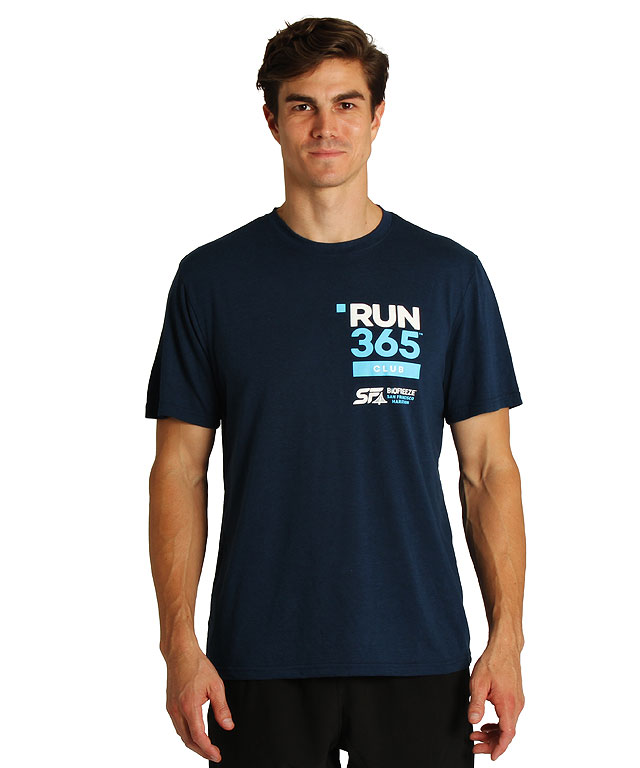
Custom Short Sleeve Tees
Engineered for endurance runs and mass participation events. Features high-ventilation micro-mesh, ergonomic raglan sleeves, and anti-abrasion seams.
Contact Us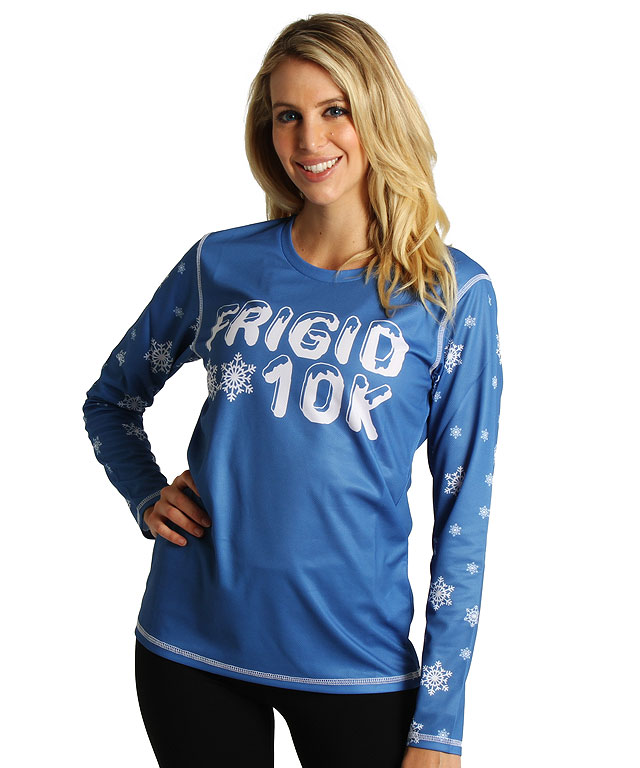
Long Sleeve Running Shirts
Ideal for multi-season athletic training and shoulder-season marathons. Provides UPF 50+ sun protection and moisture-wicking comfort.
Contact Us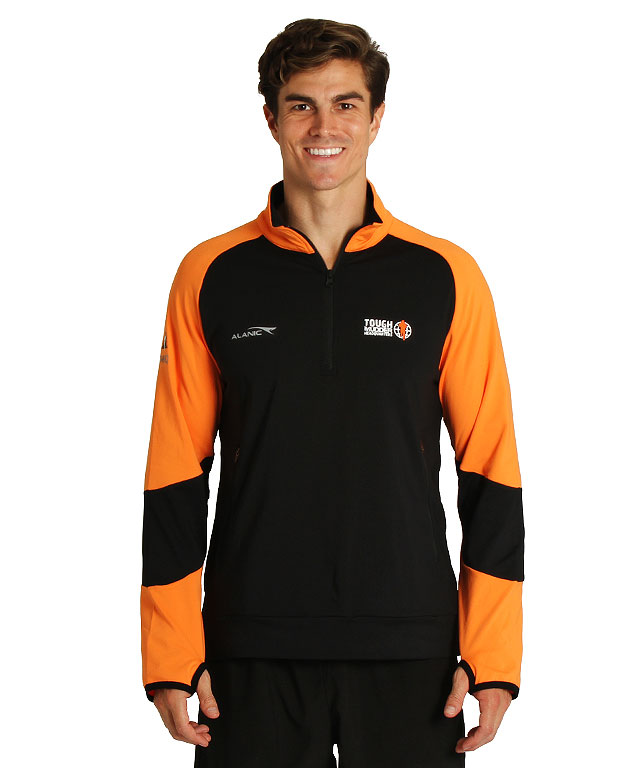
Quarter Zip Tops
Premium mid-layer activewear featuring auto-locking YKK zippers, stand-up draft collar, and dynamic 4-way stretch flex zones.
Contact Us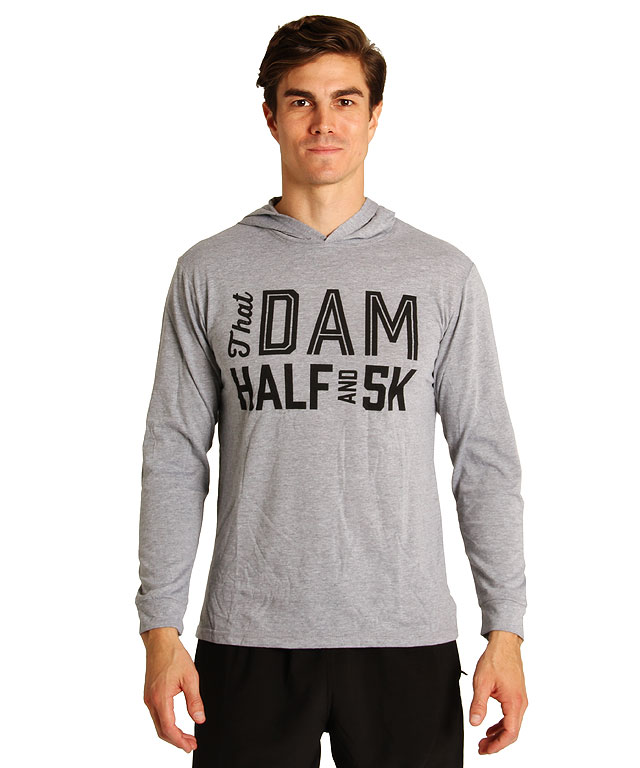
Performance Athletic Hoodies
Heavyweight technical fleece constructed for pre-workout warmup and lifestyle wear. Includes reinforced ribbing and deep kangaroo pockets.
Contact Us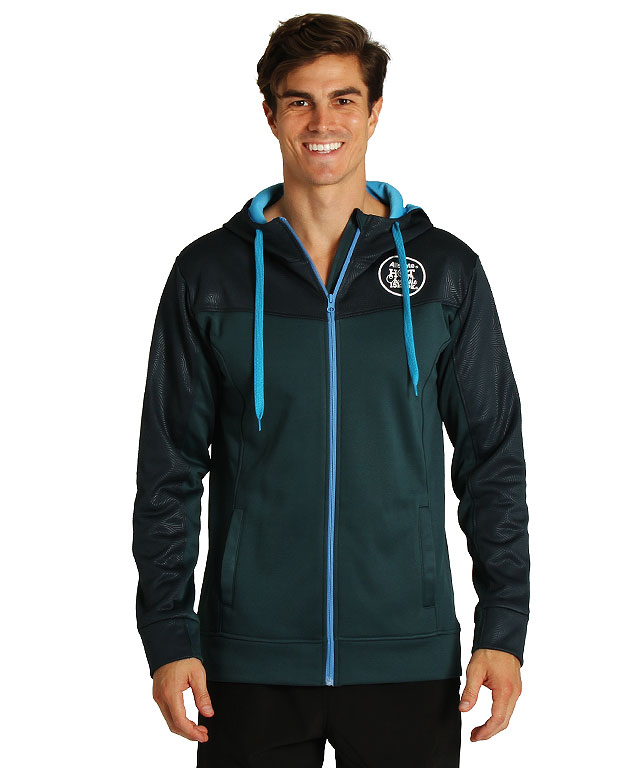
Bulk Running Jackets
Weatherproof shell jackets built with water-repellent DWR coating, underarm laser-cut ventilation ports, and 360-degree reflective piping.
Contact Us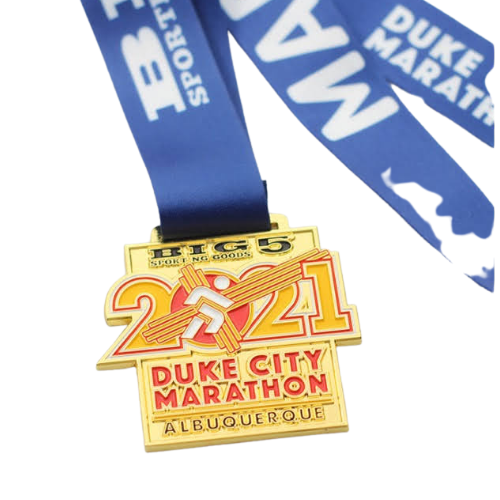
Bespoke Custom Race Medals
Complete your event branding with heavy zinc-alloy die-cast finisher medals featuring 3D antique plating and custom woven neck ribbons.
Contact Us4. Private Label Sourcing Strategy: OEM vs. ODM Production Frameworks
When entering into custom sports merchandise manufacturing contracts, buyers must decide between Original Equipment Manufacturing (OEM) and Original Design Manufacturing (ODM). Understanding the trade-offs between these two operational frameworks is critical for budget management, intellectual property (IP) protection, and market entry speed.
- OEM (Original Equipment Manufacturing): The client provides complete Tech Packs, CAD files, grading tables, and specific fabric mill specifications. The manufacturer acts strictly as a cut-make-trim (CMT) assembly facility. OEM is best suited for established activewear brands with in-house technical apparel designers.
- ODM (Original Design Manufacturing): The client leverages the manufacturer’s existing pattern library, proven tech fabrics, and ergonomic silhouettes, customizing colors, logos, trim accessories, and hangtags. ODM significantly cuts sample turnaround times from 6 weeks down to 7 days, making it ideal for race event organizers and fast-growing sports apparel lines.
| Evaluation Parameter | OEM (Custom Tech Pack) | ODM (Private Label Library) |
|---|---|---|
| Design Development Cost | High (Client bears pattern tech cost) | Zero ($0 Design Fees at Alanic) |
| Sampling Lead Time | 3 to 5 Weeks | 7 to 10 Business Days |
| Minimum Order Quantity (MOQ) | 500 – 1,000 units per colorway | Low flexible MOQs (from 50–100 units) |
| Intellectual Property Ownership | 100% Client-Owned Proprietary Tech | Shared Silhouettes, Exclusive Custom Artwork |
| Supply Chain Risk | Moderate (Requires fabric mill validation) | Minimal (Pre-tested, certified fabrics) |
5. Future Sourcing Trends in Custom Sports Merchandise (2026–2030)
The global sports apparel manufacturing sector is undergoing fundamental shifts driven by consumer consciousness, regulatory compliance, and artificial intelligence in supply chain operations. Forward-thinking B2B procurement managers must align their manufacturing pipelines with the following emerging trends:
A. Sustainable & Circular Textile Innovations (rPET & Bio-Synthetics)
Global regulations, such as the EU Corporate Sustainability Due Diligence Directive, are mandating greener textile inputs. Leading custom manufacturers are shifting from virgin petroleum-based polyester to 100% Recycled Polyethylene Terephthalate (rPET) derived from post-consumer water bottles. rPET delivers identical tensile strength, wicking capability, and dye absorption while reducing carbon emissions by up to 32% during yarn extrusion.
B. Smart Micro-Ventilation & Seamless 3D Knitting
Traditional cut-and-sew methods are increasingly supplemented by seamless 3D knitting technology. By engineering variable knit densities directly into a single continuous fabric panel, garments achieve target breathability under the armpits and lumbar regions without adding bulky flatlock seams. This reduces garment weight by up to 18% and eliminates potential chafing zones for long-distance runners.
C. Nearshoring & Agile On-Demand Production Models
To hedge against maritime freight delays and geopolitical volatility, major event buyers are adopting hybrid sourcing strategies. High-volume baseline stock is manufactured offshore in high-capacity facilities, while high-velocity replenishable stock is handled through regional hubs with rapid 14-day turnaround times.
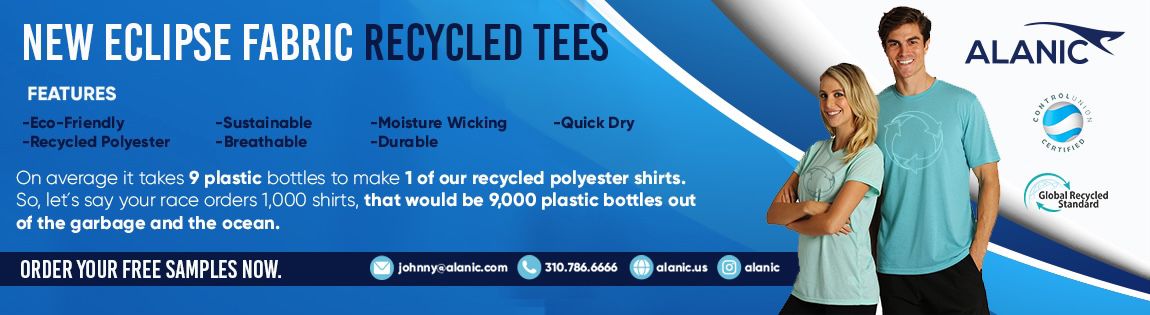 Figure 1: Global distribution and automated cutting lines powering high-volume sports merchandise orders.
6. Enterprise Quality Assurance & Compliance Standards
A primary risk in bulk custom apparel manufacturing is variance between approved pre-production samples and final bulk shipments. To uphold absolute reliability (E-E-A-T framework), enterprise-grade buyers must mandate strict Quality Assurance (QA) protocols at three critical manufacturing stages:
- Incoming Material Inspection (IQC): Testing raw fabric rolls for GSM weight consistency, color fastness to crocking (AATCC 8), dimensional stability after washing, and elasticity stretch-recovery percentages prior to cutting.
- In-Process Quality Control (IPQC): Continuous inline seam-strength checks (ISO 13935-2), laser alignment of dye-sublimation art panels, and zipper torque testing during garment assembly.
- Final Random Inspection (FQC / AQL 2.5): Executing pre-shipment inspections following the Acceptable Quality Limit (AQL) Standard 2.5 Level II. Garments are audited for loose threads, shade variations, sizing tolerances (within ±1cm), and packaging integrity.
7. Why Global Brands Partner with Alanic for Custom Merchandise Manufacturing
Headquartered in Beverly Hills, California, with international logistics networks spanning North America, Europe, Australia, and New Zealand, Alanic stands as an industry benchmark in custom marathon and sports clothing manufacturing. Our corporate infrastructure offers unmatched advantages tailored for high-volume B2B buyers:
- 20+ Years of Manufacturing Expertise: Over two decades of R&D innovation serving 2,000+ global brands, sports leagues, and world-class marathon organizers.
- 100% Price Beat Guarantee: We leverage bulk raw-material purchasing power to guarantee enterprise pricing — if you receive a lower verifiable quote for identical specs, we will beat it by 10%.
- Zero Design Fees ($0): Our in-house fashion designers convert your high-level ideas, vector logos, or mood boards into production-ready 3D digital mockups at no extra cost.
- Robust Global Reach & Duty Optimization: Strategically situated distribution channels cross the USA, UK, Canada, Australia, New Zealand, and France to ensure seamless customs clearance and minimal transit delays.
- Comprehensive Product Ecosystem: Beyond performance running apparel, we supply custom race medals, tracksuits, athletic socks, and promotional accessories for a unified brand presentation.
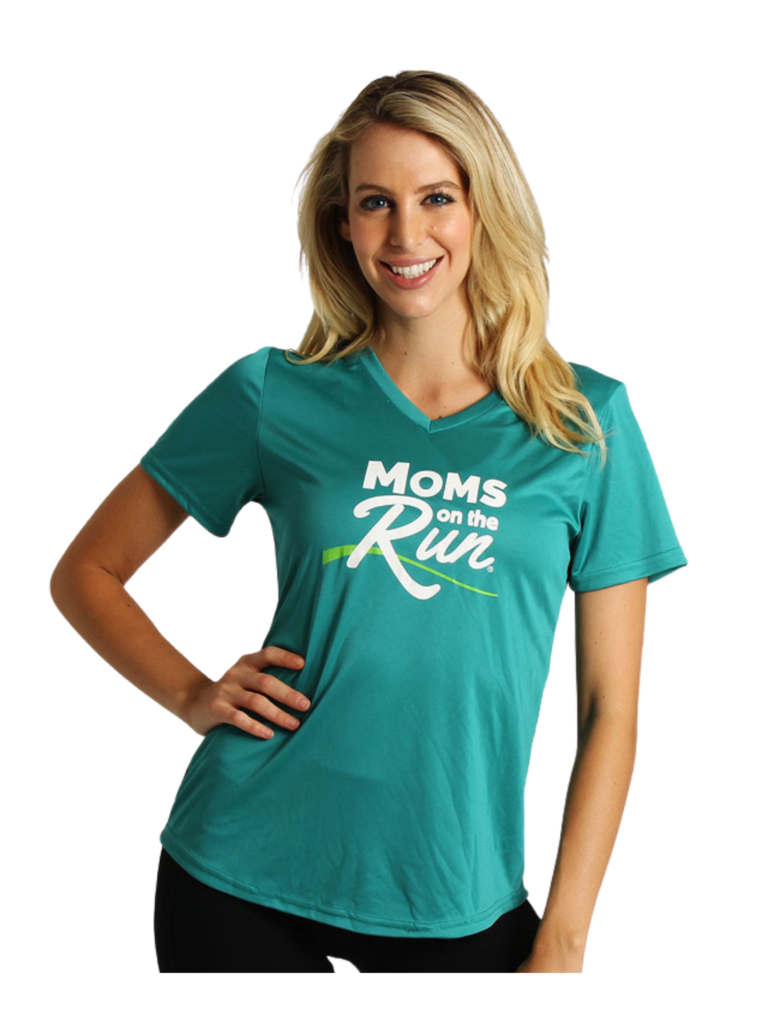 Figure 2: Alanic's custom private-label sportswear engineered with dynamic athletic ergonomics.
8. Frequently Asked Questions (FAQ) for B2B Procurement Managers
While traditional overseas textile mills require 1,000+ units per style, Alanic provides flexible B2B ordering options. Our private-label ODM program supports orders starting as low as 50 to 100 pieces per design, allowing brands to test market demand and event organizers to order precise size runs without over-committing capital.
We utilize standardized international size specs (US, EU, and Asian sizing matrices) with computerized CAD pattern cutting. Automated laser cutters maintain cutting tolerances within ±2mm. Furthermore, pre-production physical samples are approved by the client before full mass production commences.
Digital pre-production sample mockups take 24–48 hours. Physical pre-production samples are completed within 7 to 10 business days. Upon sample approval, bulk manufacturing typically requires 2 to 4 weeks depending on total order volume, followed by expedited air freight (3–5 days) or ocean freight (20–30 days).
Yes. All performance textiles manufactured by Alanic comply with OEKO-TEX Standard 100, ensuring materials are free from harmful heavy metals, formaldehyde, and banned azo dyes. We also offer GRS-certified (Global Recycled Standard) recycled polyester options for eco-conscious procurement initiatives.
If you present an official written quote from a qualified apparel manufacturer for identical fabric specifications, GSM weight, customization techniques, and order quantities, Alanic will beat that competitor's total price by 10% while maintaining superior quality standards.
Absolutely. We provide turn-key private-label solutions, including custom woven neck tags, heat-sealed interior care labels, branded hangtags with EAN/UPC barcodes, and custom printed eco-polybags ready for immediate retail display or direct distribution.