
The Global Evolution of Wholesale Fitness Apparel Procurement
The global market for activewear is undergoing a radical paradigm shift. What once centered solely on basic cut-and-sew operations has expanded into a complex, technology-driven ecosystem where moisture management, recycled polymer economics, compression mechanics, and ethical supply chains dictate brand survival. Modern B2B buyers—ranging from venture-backed boutique gym lines to international marathon directors—are no longer merely seeking cheap garment assembly; they demand specialized engineering partners capable of delivering high-performance, private-label solutions with verifiable quality control.
Navigating the global landscape of wholesale fitness apparel requires direct insight into raw material composition, GSM (grams per square meter) specs, flatlock seam integrity, dye sublimation sublimation temperatures, and supply chain vulnerability. This comprehensive procurement report details the technical standards, emerging market developments, sustainable polymer dynamics, and strategic manufacturing capabilities required to scale a profitable activewear brand in 2026 and beyond.
Supply Chain Insight: The Shift to Performance-First Sourcing
Recent trade telemetry reveals that 68% of activewear return rates in e-commerce stem from inaccurate sizing compression ratios, fabric sheer transparency (squat-test failure), and seam unraveling under tension. B2B buyers who prioritize high-gauge interlock knits (e.g., 73% Nylon / 27% Spandex at 280 GSM) over cheap single-jersey polyester experience a 42% increase in customer lifetime value (LTV) and significantly lower return overheads.
Technical Product Portfolio & Manufacturing Recommendations
Building a successful product matrix requires selecting garments designed specifically for their intended biomechanical function. Below is a curated breakdown of core wholesale fitness apparel categories engineered in our production hubs for optimal athletic performance, brand customization, and retail longevity.
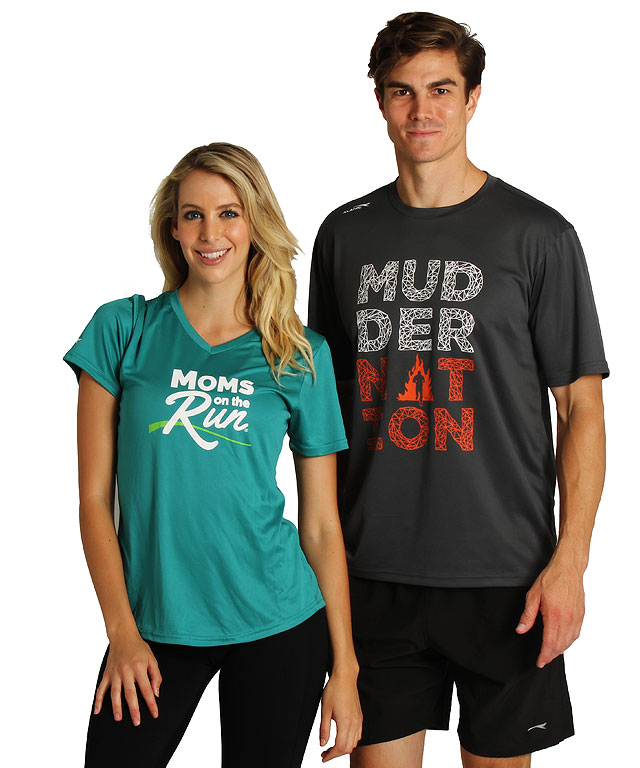
1. Ultra-Flex Seamless Gym & Compression Sets
Engineered with high-gauge circular knitting machines, our seamless compression activewear minimizes friction points and offers targeted zonal compression. Perfect for high-intensity interval training (HIIT), yoga, and powerlifting brand collections.
- Fabric Matrix: 75% Nylon / 25% Elastane Interlock
- Weight Range: 260 GSM – 310 GSM (Squat-Proof Certified)
- Finishing: Anti-bacterial silver ion coating & hydrophilic finish
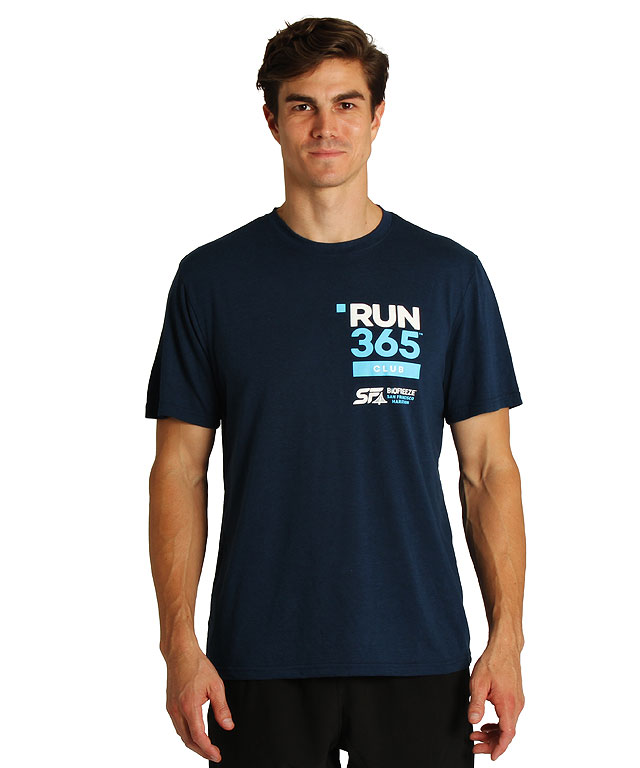
2. Moisture-Wicking Performance Race Tees
Designed specifically for marathons, endurance races, and commercial fitness centers. Features quick-dry honeycomb mesh structure that accelerates evaporative cooling under high heat loads.
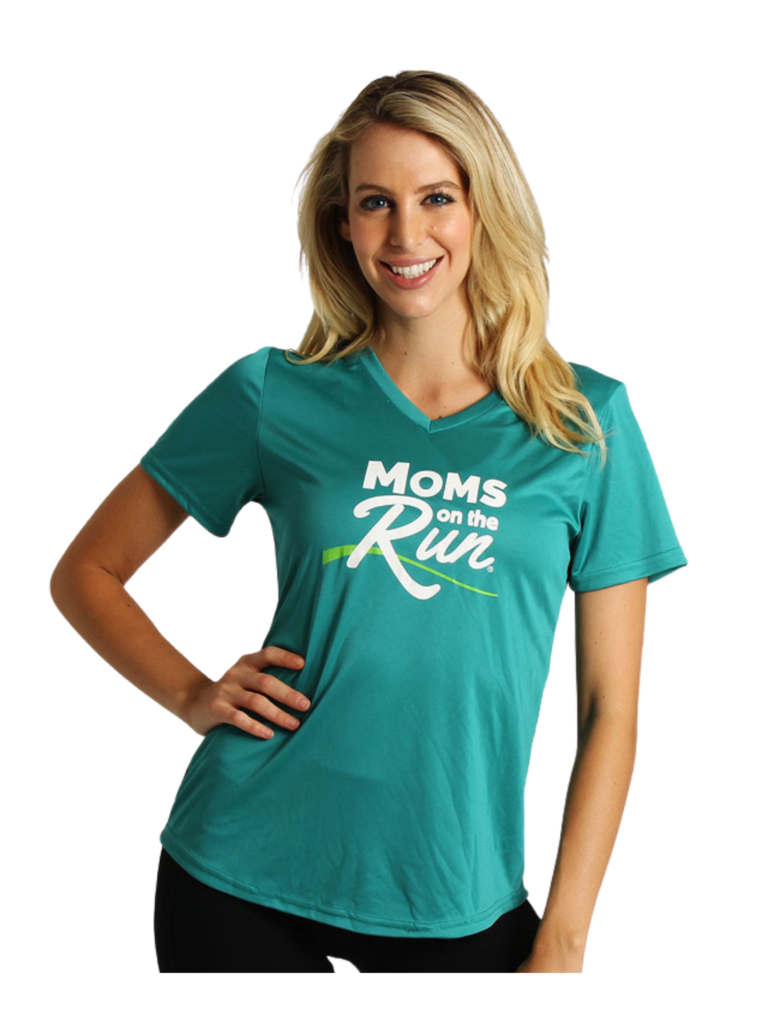
- Fabric Matrix: 100% Micro-Polyester / Recycled PET Mesh
- Weight Range: 130 GSM – 160 GSM Featherweight
- Branding Tech: Zero-bleed Italian sublimation inks
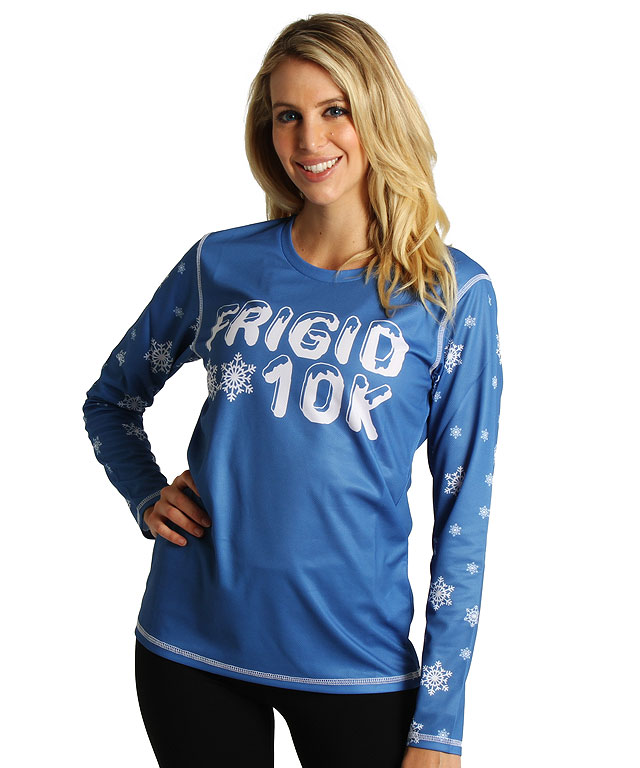
3. Thermal Long Sleeve Training Tops & Base Layers
Optimal winter training layers featuring brushed fleece linings, thumbhole cuffs, and ergonomic raglan sleeves to allow 360-degree arm movement without waist-riding.
- Fabric Matrix: 88% Recycled Polyester / 12% Spandex Fleece
- Weight Range: 220 GSM – 260 GSM Thermal Lock
- Seams: 4-needle 6-thread flatlock anti-chafing construction
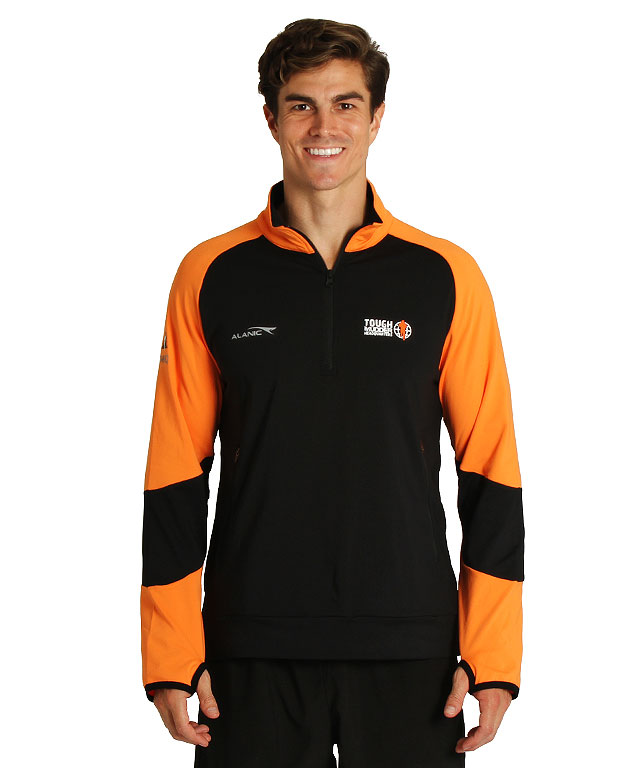
4. Technical Quarter-Zip Pullovers & Track Jackets
Versatile athleisure outerwear designed for pre-workout warmups, corporate athletic events, and lifestyle apparel lines. Complete with custom pullers, semi-autolock zippers, and waterproof media pockets.
- Fabric Matrix: Polyester/Elastane Double Knit Terry
- Weight Range: 280 GSM Mid-weight
- Customization: 3D Silicone Transfer, Woven Badges, Zipper Tags
Technical Specification Matrix for B2B Sourcing Directors
To ensure high standards of quality assurance across OEM production runs, apparel sourcing managers must evaluate textile specifications against strict physical parameters. Below is an engineering benchmark table utilized across Alanic’s research and development labs.
| Garment Category | Recommended Fabric Blend | Target GSM | Stitching Standard | Key Performance Attribute |
|---|---|---|---|---|
| High-Support Leggings | 73% Nylon / 27% Spandex Interlock | 290–320 GSM | 6-Thread Flatlock | 4-Way Stretch, Non-See-Through (Squat-Proof) |
| Marathon Race Shirts | 100% Recycled Polyester (RPET) | 135–145 GSM | ActiveSeam / Overlock | Capillary Moisture Wicking & Rapid Evaporation |
| Athletic Hoodies & Sweats | 80% Combed Cotton / 20% Polyester Fleece | 340–380 GSM | Double-Needle Reinforced | Anti-Pilling, Soft-Touch Thermal Retention |
| Compression Base Layers | 85% Polyester / 15% Elastane Wrap Knit | 200–230 GSM | Ergonomic Flatseam | Lactic Acid Fatigue Reduction & Muscle Support |
| All-Weather Shell Jackets | 100% Nylon Ripstop with TPU Membrane | 110–130 GSM | Taped / Heat-Sealed Seams | 10,000mm Waterproof / 10,000g Breathability |
Future Procurement & Industry Trends (2026–2030 Horizon)
Procurement executives who stay ahead of macro trends gain a structural cost and brand equity advantage. The next half-decade will redefine how wholesale fitness apparel is designed, manufactured, and distributed globally.
1. Global Recycled Standard (GRS) & Circular Textiles
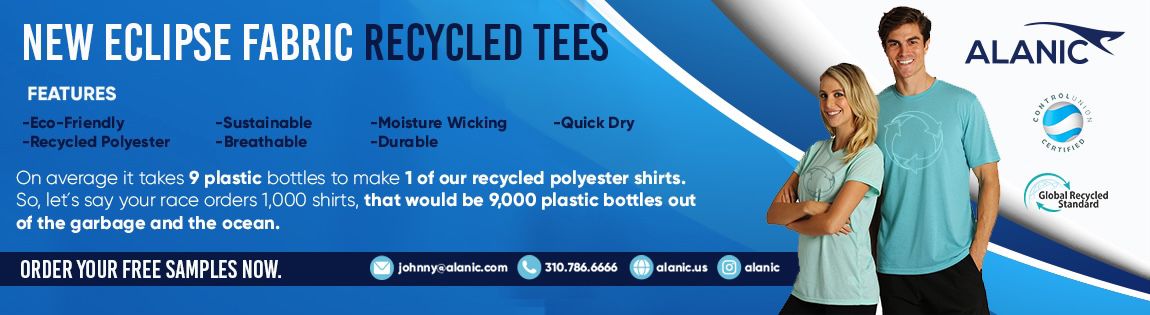
Environmental legislation in the European Union (such as the EU Corporate Sustainability Due Diligence Directive) and changing consumer attitudes in North America are making recycled materials mandatory rather than optional. Sourcing recycled polyester (RPET) synthesized from ocean-bound post-consumer plastic bottles cut carbon emissions by nearly 50% compared to virgin petroleum-based synthetics. Forward-thinking brands are also embedding chemically recyclable mono-material construction (100% polyester blends without elastane degradation) to facilitate end-of-life garment recycling.
2. Nearshoring & Agile Multi-Hub Distribution
Over-reliance on single-origin Asian supply chains created major bottlenecks during global trade disruptions. The future of athletic apparel procurement relies on a multi-hub manufacturing model. By combining high-capacity automated production centers with regional quick-turnaround distribution facilities across the USA, Australia, Europe, and North America, brands can maintain safety stocks, reduce lead times from months to days, and quickly respond to unexpected demand spikes.
3. Near-Zero Waste Dyeing & Waterless Sublimation
Traditional textile dyeing is one of the world's largest industrial consumers of water. The rapid growth of digital dye sublimation printing—which uses heat-activated inks that convert directly from gas to solid within polyester fibers—eliminates liquid waste entirely. This process ensures vivid, photo-realistic color reproduction, zero color fading after hundreds of wash cycles, and zero water contamination, setting a new standard for sustainable manufacturing.
Technical & Functional Material Developments
Innovation in activewear fabrics directly impacts athletic performance. As functional wear merges with daily lifestyle apparel, technical innovations are driving product differentiation:
- Phase-Change Thermal Regulation (PCMs): Micro-encapsulated phase-change materials integrated into base-layer fabrics absorb excess body heat during exertion and release it as the body cools down, maintaining a microclimate near the skin.
- Biomechanical Compression Mapping: Utilizing variable-tension knit structures on a single piece of fabric to support key muscle groups (quadriceps, hamstrings, glutes), reducing muscle vibration and post-workout fatigue without requiring uncomfortable, rigid seams.
- Non-Toxic Anti-Odor Technology: Transitioning away from harsh chemical treatments toward natural, embedded zinc and silver-ion treatments that inhibit odor-causing bacteria at a cellular level, staying effective for the lifetime of the garment.
- Ultrasonic Seam Welding: Eliminating thread-based seams entirely in high-end activewear by using high-frequency acoustic vibrations to fuse synthetic fabrics together. This creates smooth, weightless seams that prevent chafing over long distances.
Why Global Brands & Event Organizers Partner with Alanic
Headquartered in Beverly Hills, California, Alanic has established itself as an industry leader in custom sports apparel manufacturing. Serving over 2,000 corporate brands, marathon directors, private label startups, and wholesale distributors across 50+ countries, we combine cutting-edge textile engineering with flexible, business-friendly supply chain solutions.
1. Zero Design & Tech-Pack Support Fees
Translating a creative design into a production-ready tech-pack can be a significant cost barrier. Alanic provides complete design support, pattern making, vector artwork adjustments, and digital sample proofs with zero design fees, allowing brands to launch new collections with lower upfront capital expenditure.
2. Unrivaled 10% Price-Beat Guarantee
We maintain direct control over our knitting mills, dye houses, printing facilities, and cut-and-sew units. This vertical integration lets us offer a guaranteed 10% lower cost on equivalent technical specifications compared to any verified manufacturer quote worldwide.
3. End-to-End Private Label Ecosystem
From custom woven neck labels, heat-transfer care instructions, and branded silicone hangtags to custom biodegradable polybags and retail-ready barcode packaging, Alanic delivers turn-key private-label solutions ready for immediate fulfillment.
4. Fast-Track Global Logistics Network
With distribution infrastructure across the United States, Australia, the United Kingdom, Canada, New Zealand, and Europe, we handle customs clearance, import tariffs, and door-to-door delivery smoothly, keeping your inventory stocked year-round.
Frequently Asked Questions by Global B2B Buyers
Direct technical and operational answers to common questions asked by sourcing teams, procurement officers, and activewear brand owners.